Why Is Compression Important in Sports Performance?

Time:2026-11-04 Author:Madeline
0%

Compression garments are now common on tracks, courts, and weight rooms. Runners pull on calf sleeves before a race, while players wear snug tops beneath their uniforms. The idea is simple: gentle pressure may support muscles and help athletes feel secure as they move. But clothing cannot replace training, recovery, or sound medical advice. The details matter.

So, what is the role of compression in sports performance? It may help reduce muscle movement and provide a steady, supported feeling during exercise. Some athletes also report less soreness after hard sessions. These effects are not guaranteed, and research findings vary across sports, garments, and individuals. One athlete may notice a useful difference; another may feel no change at all. That is worth admitting.

This article looks at how compression works, what evidence suggests, and where its limits remain. It also considers comfort, fit, and timing, because a sleeve that slips during a run is hardly helpful. A garment should feel snug, not painful or restrictive. If it causes numbness, unusual tingling, or skin irritation, take it off. Compression is a tool, not a shortcut. Its value depends on the athlete, the activity, and the fit—and sometimes the honest answer is that it simply may not help.
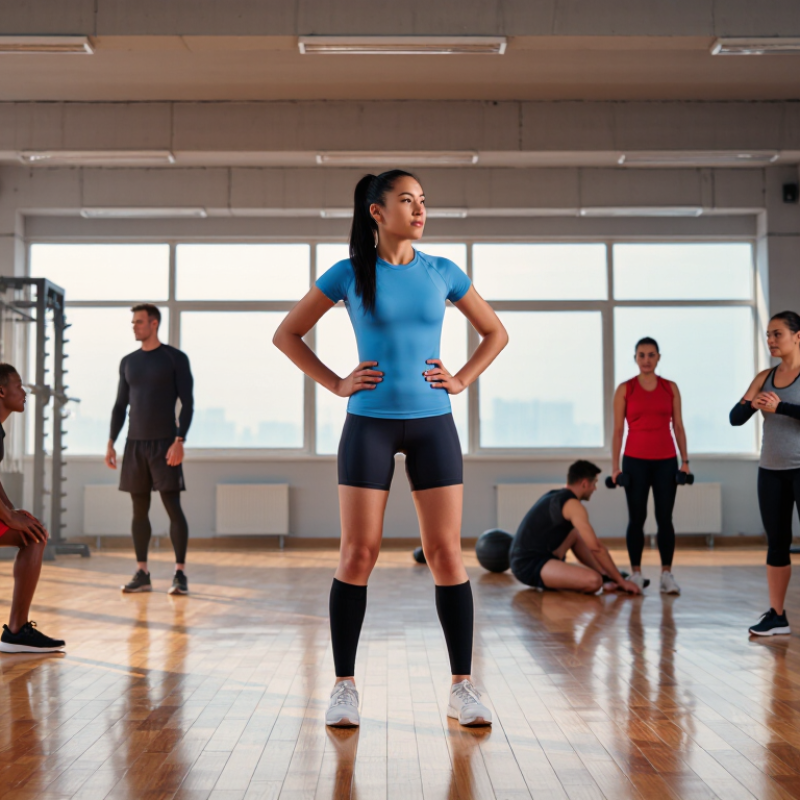
Why Is Compression Important in Sports Performance?

What Compression Means in Sports Performance

In sports performance, compression usually means wearing close-fitting garments that apply gentle, consistent pressure to areas such as the calves or thighs. Unlike ordinary loose clothing, these garments fit snugly against the skin and move with the body. They should not cause pain, numbness, tingling, or restrict normal movement. Fit matters.

Athletes may choose compression clothing because it feels supportive during running, lifting, or long training sessions. The close fit can also help some people notice their body position and movement more clearly. However, compression does not automatically make someone faster or prevent injury. Research findings vary, and comfort can be highly personal. Not magic.

Picture a runner adjusting a sleeve before a chilly morning workout: it stays in place, feels secure, and does not bunch behind the knee. That practical comfort may matter more than claims about dramatic performance gains. Garments that feel too tight can distract from training, while loose ones may offer little compression at all. The terminology can be fuzzy, too; pressure levels and fabric designs differ. Choosing a comfortable fit and testing it during an ordinary practice session is a sensible way to see whether compression suits your routine.

How Compression Garments Support Muscles and Circulation

Compression garments work by applying gentle pressure to the body. A well-fitted calf sleeve, for example, should feel snug without causing tingling, numbness, or pain. The pressure may help support venous blood flow back toward the heart, especially during movement. It can also limit some muscle vibration as you run or jump. That may make the legs feel more supported.

The effects are not identical for everyone. Research suggests compression can help some athletes feel less sore after exercise, but it does not reliably improve strength or speed. Fit matters. A garment that is too tight may leave deep marks or feel restrictive; one that is too loose may offer little support. Check the sizing guide and pay attention to how your skin and muscles respond during a short session. I have found that comfort can be hard to judge while standing still, so test the garment while moving. People with circulation problems or other medical conditions should ask a qualified healthcare professional before using compression wear. It is support, not treatment.

Effects on Movement, Muscle Fatigue, and Recovery

Compression garments apply gentle external pressure around muscles and joints. During running, a close-fitting sleeve may reduce fabric movement and make limb motion feel more supported. That sensation can help some athletes stay aware of knee or calf position. It does not automatically improve speed or technique. Fit matters. A garment that bunches behind the knee or limits ankle movement can distract rather than help.

During repeated jumps or long rides, compression may modestly reduce muscle vibration, though findings vary by garment, sport, and athlete. Some people report less heaviness late in a session. Others notice no difference. Compression cannot prevent fatigue caused by inadequate conditioning, heat, or insufficient energy. Check for tingling, unusual warmth, or restricted movement; the pressure should feel snug, not painful.

After exercise, graduated compression may ease perceived soreness or swelling for some athletes. Its effects on muscle repair and next-day performance remain inconsistent, so treat it as an optional comfort tool. Not a shortcut. Compare two similar training days and note soreness, swelling, and movement quality the next morning. Keep other recovery habits steady. The result may be messy, but your own observations can help determine whether compression is useful for you.

Why Is Compression Important in Sports Performance?

Compression garments apply pressure to the body, but their effects vary by outcome. Research suggests possible benefits for post-exercise soreness and perceived recovery; improvements in movement and muscle fatigue are less certain.

Evidence scale: 1 = mixed or uncertain evidence; 2 = some supporting evidence. These ratings are a qualitative summary, not measured effect sizes. Results depend on the activity, garment, and individual.

What Research Shows About Performance Benefits

Compression clothing is popular in sport, but research does not support every performance claim. Studies suggest its effects are usually modest and vary by activity, fit, and athlete. Some research finds small improvements in repeated efforts or perceived muscle soreness, while other studies find little change in speed or strength. Not a shortcut.

Compression may help limit soft-tissue movement during running or jumping. That could make hard efforts feel more comfortable, though the link to better results is not certain. Research also reports potential recovery benefits after exercise, including less perceived soreness.

These outcomes are not guaranteed, and feeling fresher does not always mean performing better. The picture is not perfectly tidy. Study methods and garment designs differ, making direct comparisons difficult.

Tips: Test compression gear during a normal training session, not on race day. Check for smooth, comfortable pressure around the limbs; numbness, tingling, or restricted movement are warning signs. Compare your times, effort, and recovery with and without it. Keep other conditions similar, such as route and workout intensity. If there is no clear benefit for you, there may be no reason to wear it.

Factors That Shape Compression Gear’s Effectiveness

Compression gear’s effect depends on fit, pressure, fabric, activity, and timing. Loose sleeves may shift; overly tight fabric can restrict movement or cause numbness. Pressure should feel firm, never painful. Garment design matters, too: sleeves, socks, and tights compress different areas. Training duration, heat, and personal comfort also shape whether athletes keep them on. Small details matter.

A 2017 Sports Medicine meta-analysis by Brown et al. reported small-to-moderate recovery benefits. Effect sizes were 0.38 for strength recovery and 0.38 for muscle soreness. These findings support possible recovery benefits, not guaranteed improvements in speed or competition results. Responses vary, and I would not treat one good training session as proof that a garment works.

Tips: Test the garment during a regular workout. Check comfort and movement after 20 minutes. Remove it if tingling or pain develops. I’d record next-day soreness, too; one trial is not enough to judge.

FAQS

Do compression garments improve sports performance?

Research shows mixed results. Benefits are usually modest and may depend on the activity and athlete. Not a shortcut.

Can compression gear help during running or jumping?

It may limit soft-tissue movement and make hard efforts feel more comfortable. Better results are not certain.

Does compression clothing support recovery after exercise?

Some studies report less perceived soreness and small recovery benefits. Feeling fresher does not always mean performing better.

What did research report about recovery benefits?

A 2017 meta-analysis found small-to-moderate benefits for strength recovery and muscle soreness. These findings do not guarantee faster race times.

How should compression gear fit?

It should feel firm but not painful. Loose sleeves can shift, while overly tight fabric may restrict movement.

What warning signs mean I should remove it?

Remove it if you notice numbness, tingling, pain, or restricted movement. Comfort matters.

How can I test whether it helps me?

Wear it during a regular workout, not on race day. Check comfort and movement after 20 minutes, then note next-day soreness.

How can I compare workouts fairly?

Compare effort, times, and recovery with and without the garment. Keep the route and workout intensity similar. One trial proves little.

Conclusion

Compression garments apply gentle pressure to the body, and what is the role of compression in sports performance? They may help support muscles and encourage blood flow, while also reducing excessive muscle movement during exercise. These effects can make some athletes feel more secure and comfortable, potentially helping them move with greater confidence and manage fatigue.

Research suggests that compression gear does not reliably improve every measure of athletic performance, and its effects can vary between individuals. Some people may notice less soreness or feel they recover more comfortably after exercise, but results depend on factors such as garment fit, compression level, activity type, and personal preference. Compression should therefore be viewed as a possible support for comfort and recovery, rather than a substitute for training, rest, or other sound performance habits.

Madeline

Madeline

Madeline is a dedicated marketing professional with a wealth of expertise in our company's core offerings. With a keen understanding of the industry, she brings a unique perspective to her role, consistently delivering high-quality content that highlights the superior aspects of our products. As......