Top 10 Fastest Ways to Heal a Sports Injury?

Time:2026-10-08 Author:Madeline
0%

A sports injury can turn one ordinary training session into a frustrating pause. Swelling, sharp pain, bruising, or reduced movement may appear within minutes. The right response during those first hours often shapes the recovery ahead.

So, what is the fastest way to heal a sports injury? There is no single shortcut for every sprain, strain, fracture, or tendon problem. Fast healing usually comes from an accurate diagnosis, early protection, suitable movement, and steady rehabilitation. Ignoring pain can create a small problem that lasts for months. It happens more often than athletes admit.

Orthopedic surgeon Dr. James Andrews has emphasized a practical rule: “If it hurts, don’t do it.” That advice sounds basic. It remains easy to break when competition, work, or personal goals create pressure. A trained clinician can check tenderness, stability, strength, and range of motion. They may recommend rest, ice for comfort, compression, elevation, medication, imaging, or physical therapy.

The quickest safe plan is not always the most aggressive plan. Returning to running while an ankle remains unstable may delay recovery. Gentle, supervised exercises can restore control without provoking fresh swelling. Sleep, adequate protein, hydration, and patience also support tissue repair, although they cannot replace medical care.

This guide, “Top 10 Fastest Ways to Heal a Sports Injury,” explains practical steps athletes can use after injury. It also identifies warning signs, common mistakes, and realistic return-to-play milestones. Some advice may feel inconvenient. That is the point: healing requires judgment, not just determination. Persistent pain, numbness, deformity, severe swelling, or inability to bear weight needs prompt professional assessment.
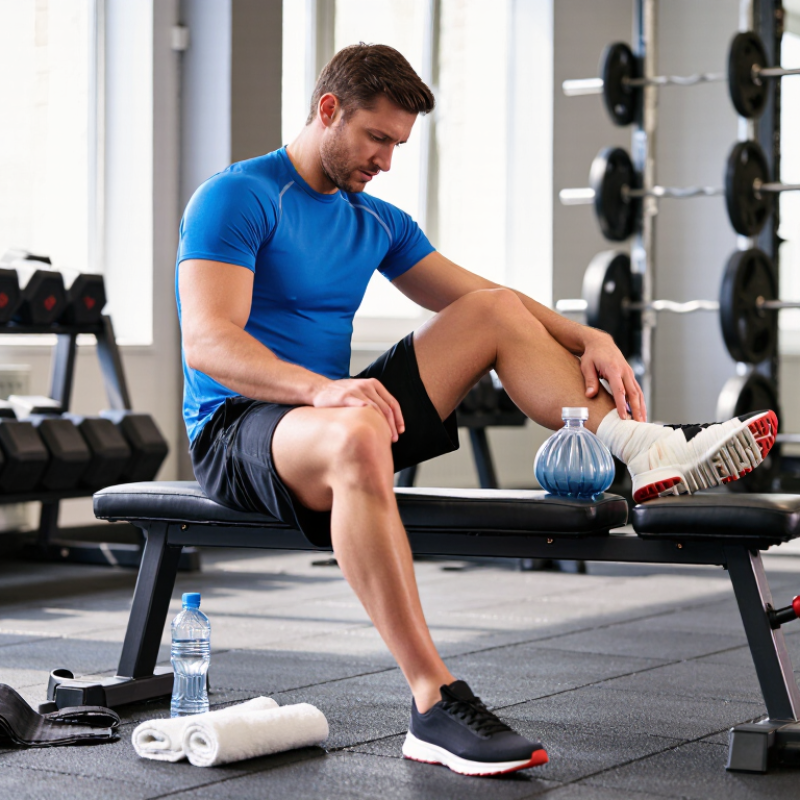
Top 10 Fastest Ways to Heal a Sports Injury?

Identify the Injury and Assess Its Severity

Fast recovery begins with accurate injury identification, not immediate treatment. Stop playing when pain changes your movement, strength, balance, or coordination. Observe the mechanism: a twist may suggest a ligament injury, while direct contact can cause a bruise or fracture. Note swelling, tenderness, reduced motion, and unusual joint shape. Compare both sides carefully.

Red flags require urgent medical assessment. These include severe pain, visible deformity, numbness, inability to bear weight, chest pain, or breathing difficulty. After a head impact, watch for worsening headache, repeated vomiting, confusion, seizure, or unusual drowsiness. The 2022 Amsterdam International Consensus Statement advises removing athletes with suspected concussion from play for evaluation. Do not rely on “walking it off.”

Professional data support cautious decisions. NCAA Injury Surveillance Program reports found competition injury rates were roughly twice practice rates across many collegiate sports. High intensity can hide early symptoms. CDC estimates suggest 1.6 to 3.8 million sports-related concussions occur annually in the United States, although estimates vary by reporting methods. A quick self-check can mislead. I have seen athletes underestimate swelling until movement became impossible. When function is clearly reduced, a qualified clinician should assess the injury before training resumes. Pain alone is not a perfect severity measure. Loss of function matters more.

Top 10 Fastest Ways to Heal a Sports Injury: Identify the Injury and Assess Its Severity

The quickest safe recovery usually starts with accurate injury identification, protection from further damage, relative rest, gradual movement, and timely medical assessment. The chart shows approximate uncomplicated recovery windows for common sports injuries; actual healing time varies by severity, location, age, and treatment.

Seek urgent medical care for severe pain, obvious deformity, inability to bear weight, numbness, loss of function, rapidly increasing swelling, or suspected fracture or concussion. Return to sport only when normal movement and sport-specific activity can be performed without significant pain or worsening symptoms.

Typical uncomplicated recovery estimates synthesized from public clinical guidance on minor soft-tissue injuries, ankle sprains, muscle strains, bruises, blisters, abrasions, and stress injuries. These estimates are not a diagnosis or a personal treatment plan.

Apply Immediate First-Aid Measures to Limit Damage

A sports injury can worsen within minutes. Immediate first aid helps control bleeding, swelling, and unnecessary movement. The CDC estimated about 8.6 million sports and recreation injuries annually in the United States from 2011 to 2014. Fast, calm action matters.

Stop playing immediately. Check for severe pain, deformity, numbness, heavy bleeding, or inability to bear weight. These signs require urgent medical assessment.

For a minor sprain or strain, protect the area and reduce activity. Apply a cold pack wrapped in a thin towel for 15–20 minutes. Repeat every two to three hours during the first day. Never place ice directly on skin. Use gentle compression, but loosen it if the skin becomes pale, cold, or numb. Elevate the injured limb above heart level when possible.

Tips: Do not massage a fresh injury. Avoid alcohol and strenuous stretching during the first several hours. Record the injury time, swelling changes, and pain level.

A 2021 Journal of Orthopaedic & Sports Physical Therapy guideline supports early, guided movement for many ankle sprains, rather than prolonged immobilization. Still, timing differs between injuries. I used to think more ice meant faster healing, but excessive cold can irritate skin and hide worsening symptoms. Recheck the area regularly. If pain increases, movement remains limited, or swelling expands, seek evaluation from a qualified healthcare professional.

Protect the Injured Area During the Early Healing Phase

Top 10 Fastest Ways to Heal a Sports Injury?

Protecting an injured area matters most during the early healing phase. Stop the movement that caused pain, then check swelling, skin colour, and joint stability. A sharp crack, visible deformity, numbness, or inability to bear weight requires prompt medical assessment.

Protection does not mean wrapping the area tightly and staying still for days. It means reducing harmful load while maintaining safe, gentle movement. The 2020 British Journal of Sports Medicine PEACE and LOVE consensus recommends protecting tissues briefly, controlling swelling, and avoiding aggressive treatment too early. Excessive stretching or deep massage can irritate fresh tissue. I have seen athletes return too quickly because pain faded, then lose another week after a careless sprint.

NCAA Injury Surveillance Program data reported an overall collegiate sports injury rate of 8.6 injuries per 1,000 athlete-exposures from 2009–10 through 2014–15. Rates vary by sport, position, and exposure, so one recovery timetable cannot fit everyone.

Tips: Use a light support only if it improves comfort and circulation remains normal. Elevate the limb when resting, especially if swelling makes the skin feel tight. After 24 to 72 hours, ask a qualified clinician about gradual loading. Pain should guide progress, but it is not a perfect measure. That part is easy to forget.

Restore Mobility, Strength, and Function Through Rehabilitation

Top 10 Fastest Ways to Heal a Sports Injury?

Restore Mobility, Strength, and Function Through Rehabilitation

The fastest safe route is structured rehabilitation, not complete rest. A clinician should assess swelling, movement, strength, balance, and sport-specific demands. Early, controlled movement can reduce stiffness and rebuild confidence. Progress should follow symptoms and testing, rather than a fixed calendar.

The World Health Organization estimates that 1.71 billion people live with musculoskeletal conditions worldwide. The figure is not sports-specific, but it shows the scale of movement-related disability. The 2021 Global Burden of Disease Study identified low back pain as the leading cause of disability globally. Function matters.

Rehabilitation usually moves from gentle mobility to resistance, balance, power, and controlled drills. A runner may begin with ankle circles, then calf raises, hopping, and gradual speed work. A football player may practise cutting only after strength and landing control improve.

Pain is information. It is not always damage. However, sharp pain, increasing swelling, numbness, or instability needs professional review. Sleep, adequate protein, hydration, and realistic training loads also support recovery.

Progress is rarely linear. I still see athletes advance too quickly after one good session.

Tips: Record pain, swelling, range of motion, and training load daily. Increase one variable at a time. Use simple return-to-sport tests, such as single-leg squats, hops, and controlled changes of direction. Compare both sides, but do not demand perfect symmetry.

Rehabilitation evidence supports gradual loading, yet individual response remains different. That uncertainty deserves respect.

Return to Sport Safely and Prevent Future Injuries

Top 10 Fastest Ways to Heal a Sports Injury?

Return to Sport Safely and Prevent Future Injuries

Fast healing should never mean rushed healing. Protect the injured area, control swelling, and seek a qualified assessment early. A sports clinician can identify fractures, ligament damage, or concussion symptoms that home treatment may miss. Pain matters, but it cannot confirm readiness. The body may feel better before strength and coordination return.

Use a staged return-to-sport plan. Begin with pain-free daily movement, then add light mobility, strength, balance, and sport-specific drills. Increase training gradually, while monitoring pain during exercise and the following morning. The 2016 British Journal of Sports Medicine consensus recommends shared, criteria-based return decisions, rather than relying on time alone. That approach is slower sometimes. It is safer.

Prevention deserves equal attention. A systematic review published in the British Journal of Sports Medicine found exercise-based injury-prevention programs can reduce injuries by approximately 20% to 50%, depending on sport and adherence. Warm up dynamically, strengthen weak areas, and practice landing or cutting technique. Sleep and adequate nutrition also support tissue repair. The World Health Organization recommends muscle-strengthening activities regularly, but injured athletes need individualized guidance. I have learned that athletes often underreport symptoms to return sooner. That choice can create compensation injuries. A simple training diary may reveal fatigue, repeated soreness, or sudden workload increases before another injury develops.

FAQS

What should I do immediately after a sports injury?

Stop the movement that caused pain. Check swelling, skin colour, and joint stability. Protect the area without forcing complete rest.

When does an injury need prompt medical assessment?

Seek prompt care after a sharp crack, visible deformity, numbness, or inability to bear weight. These signs may indicate serious damage.

Should I wrap an injured area tightly?

Use light support only when it improves comfort. Fingers and toes should remain warm, normally coloured, and free from tingling. Tight wrapping can reduce circulation.

Can stretching or massage speed early healing?

Avoid aggressive stretching and deep massage during early healing. Fresh tissue may become more irritated. Gentle, comfortable movement is usually safer.

How can I reduce swelling at home?

Elevate the injured limb while resting. This may reduce pressure when swollen skin feels tight. Keep checking changes instead of assuming everything is fine.

When can I begin gradual loading?

Ask a qualified clinician about gradual loading after 24 to 72 hours. Begin with easy movement, then add activity carefully. Pain helps guide progress, but it is imperfect.

How should I return to sport?

Start with pain-free daily movement. Progress to mobility, strength, balance, and sport-specific drills. Monitor symptoms during training and the following morning.

How can I help prevent another injury?

Warm up dynamically and strengthen weak areas. Practice landing and cutting technique. Sleep well, eat adequately, and track fatigue or repeated soreness in a simple diary. I still forget this sometimes.

Conclusion

Recovering quickly from a sports injury begins with understanding what happened and judging its severity. Pain, swelling, bruising, weakness, or limited movement may signal anything from a minor strain to a more serious injury requiring professional evaluation. The fastest way to heal is not to ignore symptoms, but to use appropriate first aid early: stop the activity, protect the area, apply cold carefully, use gentle compression when suitable, and elevate the limb to help control swelling. During the first phase of healing, avoid movements that increase pain and provide enough support for the injured area.

As symptoms improve, recovery should gradually focus on restoring flexibility, mobility, strength, balance, and sport-specific function. A controlled rehabilitation plan can help rebuild confidence while reducing the risk of reinjury. Returning to sport should happen only when normal movement and strength have largely returned and activities can be performed without significant pain or swelling. A gradual increase in intensity, combined with proper warm-ups, technique, conditioning, rest, and attention to warning signs, supports safer long-term performance.

Madeline

Madeline

Madeline is a dedicated marketing professional with a wealth of expertise in our company's core offerings. With a keen understanding of the industry, she brings a unique perspective to her role, consistently delivering high-quality content that highlights the superior aspects of our products. As......