Ligament support deserves a careful, evidence-led approach, especially when training involves sharp cuts, landing drills, and repeated impact. This guide explores the 2026 best supplements for ligament support during sports, while keeping expectations realistic. Supplements may complement a sound training plan, but they cannot replace progressive loading, adequate recovery, or medical assessment.
Dr. Keith Baar, a researcher in tendon and ligament adaptation, has stated, “Collagen is the main structural protein in tendons and ligaments.” His work highlights why collagen-based nutrition, vitamin C, and sufficient overall protein often receive attention in sports research. Some studies suggest that specific collagen peptides, taken before loading exercise, may support collagen synthesis. The evidence is promising, but it is not perfectly tidy. Results vary by product, dose, timing, and athlete.
Context matters.
This review will examine ingredients such as hydrolyzed collagen, gelatin, vitamin C, omega-3 fatty acids, and minerals involved in normal connective-tissue function. It will also consider label quality, third-party testing, allergen information, and realistic serving sizes. A powder cannot correct poor sleep, sudden mileage increases, or weak movement mechanics. That is an uncomfortable point, but it matters.
The phrase what helps with ligament support during sports has no single answer. Individual needs differ, and persistent pain, swelling, instability, or reduced movement requires qualified medical guidance. Athletes should check supplements with a sports physician or registered dietitian, particularly when taking medication or preparing for drug-tested competition. The goal is not a miracle claim. It is a practical, transparent framework for making safer decisions.
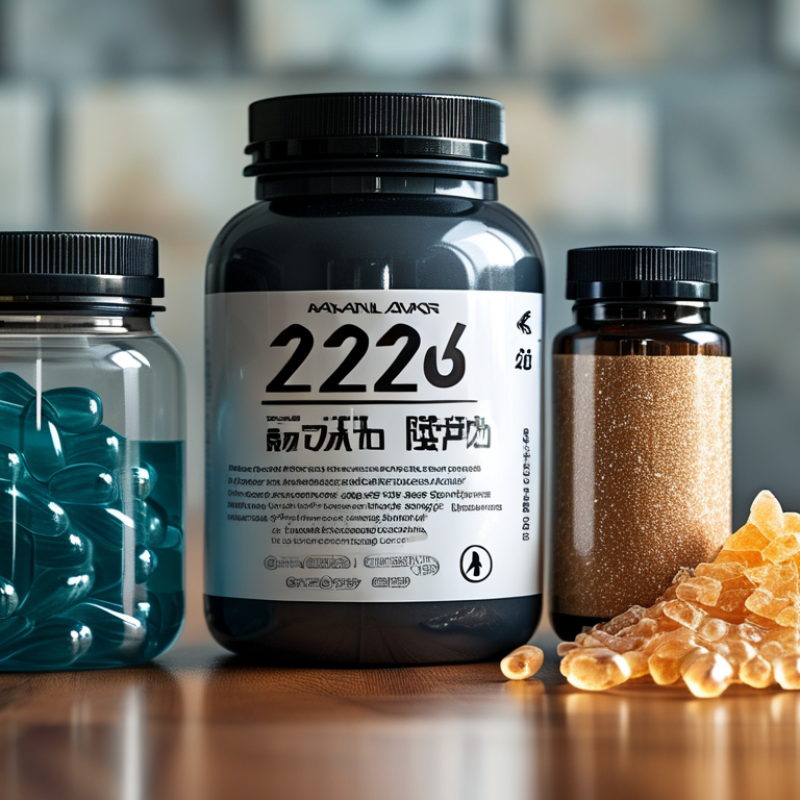
Ligament Support in 2026: Definitions, Risks, and Evidence Standards
Ligament support means protecting dense connective tissue that joins bone to bone. It does not mean making ligaments stronger overnight. Sports-related risk rises with sudden load, previous injury, poor recovery, and unstable movement patterns. A knee twisting on wet turf shows the problem clearly: supplements cannot replace strength training, footwear, or clinical assessment.
Evidence standards matter in 2026. The International Olympic Committee’s 2018 consensus report states that only a small number of supplements have strong performance evidence. A controlled study in the American Journal of Clinical Nutrition found that 15 grams of gelatin with vitamin C increased collagen-synthesis markers after exercise. That result is interesting, not proof of fewer ligament tears. The study measured biomarkers, not completed seasons or surgical outcomes.
Risk assessment also includes dosage, allergies, medication interactions, and contamination. The U.S. Food and Drug Administration does not approve supplements for safety or effectiveness before marketing. Independent batch testing can reduce uncertainty, but it cannot guarantee a clinical benefit. Vitamin D deserves testing when deficiency is suspected, rather than automatic high-dose use. I would be cautious with dramatic claims. The evidence is thinner than many labels suggest. Personal training logs, injury history, and advice from a qualified sports clinician provide better context than advertising language.
Collagen Peptides and Vitamin C: Evidence from the 15-g Gelatin Trial
2026 Best Supplements for Ligament Support During Sports
Collagen peptides and vitamin C are attracting attention in sports nutrition. Their appeal is simple: collagen supplies amino acids, while vitamin C supports normal collagen formation. The most discussed evidence comes from a small gelatin trial involving 15 grams of gelatin, consumed with vitamin C about one hour before exercise.
Researchers observed increased markers of collagen synthesis after participants completed short, intermittent exercise. This suggests timing may matter. A practical example is mixing gelatin or collagen peptides into water, then adding a vitamin C source such as citrus fruit. The routine is easy before training. It is not magic.
The trial measured biological markers, not fewer ligament injuries. That distinction matters. The participants were also few, so the findings cannot represent every athlete, age group, or sport. Collagen peptides may be convenient, but they are not identical to gelatin in every formulation. More research is needed on dosage, long-term use, and real injury outcomes.
From a sports medicine perspective, nutrition should support progressive strength training, adequate energy, sleep, and rehabilitation. A supplement cannot replace those foundations. Athletes with kidney disease, allergies, pregnancy, or prescribed medication should seek qualified medical advice first. I would treat the 15-gram protocol as a reasonable research-inspired option, not a guaranteed ligament shield. Personally, I would track comfort, training load, and recovery rather than expecting a dramatic change.
2026 Best Supplements for Ligament Support During Sports - Collagen Peptides and Vitamin C: Evidence from the 15-g Gelatin Trial
| Supplement or strategy |
Evidence-based amount or protocol |
Timing used in research |
What the evidence suggests |
Evidence limitations |
Practical assessment |
| Gelatin plus vitamin C |
15 g gelatin with approximately 48 mg vitamin C |
Approximately 1 hour before exercise |
A small randomized crossover study in healthy men found increased short-term markers of collagen synthesis after supplementation followed by intermittent loading exercise. |
The study involved only 8 participants and measured biochemical markers rather than ligament strength, injury prevention, or long-term recovery. |
Promising but preliminary |
| Hydrolyzed collagen peptides |
Research protocols commonly use approximately 5–15 g; no universally established sports dose exists. |
Often taken about 30–60 minutes before resistance or impact exercise in experimental protocols |
May provide collagen-derived amino acids and peptides that support connective-tissue collagen turnover when combined with mechanical loading. |
Studies differ in peptide composition, dose, exercise design, and outcome measures. Direct evidence for preventing ligament injuries remains limited. |
Reasonable adjunct, not a replacement for training |
| Vitamin C |
The gelatin trial used approximately 48 mg; general dietary needs are usually met through fruits, vegetables, and other foods. |
Consumed with gelatin approximately 1 hour before loading exercise in the 15-g trial |
Vitamin C is required for normal collagen formation and may complement collagen or gelatin intake when dietary intake is inadequate. |
More vitamin C is not necessarily better. High supplemental intakes may cause gastrointestinal symptoms and are not proven to improve ligament outcomes in well-nourished athletes. |
Useful when intake is insufficient |
| Protein adequacy |
Prioritize a sufficient daily protein intake distributed across meals; individual needs depend on body size, training, age, and total diet. |
Regular daily intake is more important than a single pre-exercise dose |
Adequate protein supports muscle, rehabilitation, and overall tissue remodeling, although collagen is not a complete substitute for dietary protein. |
Protein alone has not been shown to specifically prevent ligament injury. |
Foundation strategy |
| Vitamin D, only when deficient |
Use should be guided by clinical assessment and, when appropriate, blood testing rather than routine high-dose supplementation. |
No established ligament-specific timing protocol |
Correcting deficiency is important for musculoskeletal health, but supplementation has not been established as a direct ligament-strengthening intervention in sufficient athletes. |
Unnecessary high doses can cause harm, including abnormal calcium regulation. |
Conditional use |
| Omega-3 fatty acids |
No established dose or protocol specifically supports ligament repair or injury prevention. |
No validated ligament-specific timing |
May have broader cardiovascular or inflammatory-health applications, but direct evidence for improving ligament structure in athletes is insufficient. |
Should not be presented as a proven ligament-support supplement. |
Insufficient direct evidence |
Evidence summary: The strongest specific signal in the cited 15-g gelatin trial was an acute increase in collagen-synthesis markers when gelatin and vitamin C were consumed before loading exercise. This does not prove prevention of ligament injury or faster recovery. Progressive strength training, appropriate load management, sleep, energy availability, and medical rehabilitation remain the primary strategies for sports ligament health.
Safety note: People with kidney disease, metabolic conditions, medication interactions, pregnancy, or a diagnosed ligament injury should consult a qualified healthcare professional before using supplements.
Athlete Protein Targets: Applying ISSN’s 1.4–2.0 g/kg Daily Guideline
For athletes, ligament support starts with recovery basics, not a crowded supplement shelf. The ISSN recommends 1.4–2.0 grams of protein per kilogram of body weight daily for active people. A 70-kilogram athlete would need about 98–140 grams each day. That range is practical, but it is not a rigid prescription. Training volume, injury status, age, and total calories can change the target.
Spread protein across three to five meals. Aim for roughly 25–35 grams after demanding training, then include protein at breakfast and before sleep. Yogurt, eggs, fish, tofu, beans, and lean meat can all contribute. A simple shake may help when travel makes meals difficult. It should fill a gap, not replace a varied diet. Keep it boringly consistent.
Some athletes also consider collagen or gelatin with vitamin C before rehabilitation exercises. Early research suggests possible support for collagen formation, but the evidence remains limited and not a guarantee of stronger ligaments. Timing may matter, yet the ideal dose is still debated. Supplements cannot correct poor sleep, under-eating, or rushed return-to-play decisions. A sports dietitian can adjust protein targets, while a qualified clinician should guide ligament rehabilitation. One detail is easy to overlook: more protein is not automatically better. I would reassess the plan every few weeks, especially when pain, training load, or body weight changes.
Vitamin D and Mineral Status: Interpreting NIH Thresholds for Athletes
Vitamin D and Mineral Status: Interpreting NIH Thresholds for Athletes
Ligaments need collagen, mechanical loading, and adequate nutrition. Vitamin D supports bone and muscle function, but it does not directly rebuild a torn ligament. The NIH considers 25-hydroxyvitamin D levels below 12 ng/mL deficient. Levels from 12 to 20 ng/mL may be inadequate, while 20 ng/mL or higher is generally sufficient for most people. Athletes should interpret these numbers carefully. Training demands can differ.
Testing matters more than guessing.
A blood test can identify low vitamin D before adding a supplement. Calcium intake also deserves attention, especially during restricted diets. Most adults need about 1,000 mg daily, with higher needs for some older adults. Magnesium supports normal muscle and nerve function, yet blood magnesium may not reflect total body stores perfectly. Food sources include dairy, fortified alternatives, beans, seeds, and leafy greens. Excess mineral intake can create problems, including digestive symptoms or medication interactions.
A sports dietitian or clinician can review results, diet, injury history, and sun exposure. High-dose vitamin D is not automatically better for ligament support. Evidence remains stronger for correcting deficiency than for improving healthy athletes’ ligament strength. That limitation is easy to overlook. I would also avoid treating one laboratory value as a complete health report. Results vary with timing, illness, and laboratory methods. A sensible plan uses targeted supplementation, adequate protein, rehabilitation, and ongoing monitoring.
2026 Best Supplements for Ligament Support During Sports
Vitamin D and Mineral Status: Interpreting NIH Thresholds for Athletes
Serum 25-hydroxyvitamin D [25(OH)D] is the standard blood marker used to assess vitamin D status. NIH reference points classify levels below 12 ng/mL as deficient, 12 to below 20 ng/mL as potentially inadequate, 20 ng/mL or higher as adequate for most people, and levels above 50 ng/mL as potentially associated with adverse effects.
These thresholds are general population reference points rather than athlete-specific performance targets. Calcium, magnesium, iron, and other mineral needs should be assessed according to age, sex, diet, training load, symptoms, and clinical testing before supplementation.
Source: NIH Office of Dietary Supplements, Vitamin D Fact Sheet for Health Professionals.
Supplement Safety: NIH Upper Limits, Drug Interactions, and Sport Testing
For ligament support during sports, supplements should never replace progressive training, adequate protein, sleep, or rehabilitation.
Collagen and vitamin C are often discussed, but evidence for injury prevention remains limited. The result is not guaranteed.
NIH guidance gives adults an upper limit of 2,000 mg daily for vitamin C and 4,000 IU for vitamin D. More is not automatically better. Excess vitamin D can raise blood calcium, while high vitamin C may cause stomach upset or kidney stones in susceptible people.
Check interactions before adding a product.
Vitamin K can interfere with some anticoagulants. Magnesium may reduce absorption of certain antibiotics and thyroid medicines when taken too closely together. Zinc can also interfere with some medications and should remain below the adult upper limit of 40 mg daily unless a clinician advises otherwise.
Supplement labels can be confusing. I have seen athletes count food and supplement amounts separately, then miss the total.
That mistake is easy to make.
Competitive athletes face another concern: contamination. Choose products with credible, independent batch testing, but remember that testing lowers risk rather than removing it.
Keep the lot number and a photo of the label. Ask a sports physician or qualified dietitian to review every ingredient, especially before competition.
A negative test can affect eligibility, even when contamination was accidental. Product quality varies. Evidence changes too.
Keep questioning the routine.
FAQS
: It means protecting tissue that connects bone to bone. It does not create stronger ligaments overnight. Training matters more.
Current evidence does not prove that supplements prevent tears. One study found collagen-related markers increased after exercise. It measured biomarkers, not completed seasons or surgeries. That difference matters.
Use progressive strength training, stable movement patterns, suitable footwear, and adequate recovery. Sleep and rehabilitation also matter. A wet field can change everything.
No. A small study used 15 grams of gelatin with vitamin C. The results were interesting, but not conclusive. Individual responses may differ.
The daily upper limit is 2,000 milligrams for vitamin C. For vitamin D, it is 4,000 international units. More is not automatically better. High vitamin D can raise blood calcium.
Yes. Vitamin K may affect some anticoagulants. Magnesium can reduce absorption of certain antibiotics and thyroid medicines. Zinc also has an adult upper limit of 40 milligrams daily. Timing matters.
Choose products with credible, independent batch testing. Testing lowers risk, but cannot remove it. Keep the lot number and label photo. Accidental contamination can still affect eligibility. That feels unfair, but it remains possible.
Ask a qualified sports clinician about injury history, medications, allergies, and dosage. Consider vitamin D testing when deficiency is suspected. Personal training logs may reveal patterns advertising misses. I would question dramatic claims.
Conclusion
Ligament support during sports depends on consistent training, adequate recovery, balanced nutrition, and realistic evidence rather than a single “best” supplement. Current research suggests that approximately 15 g of gelatin or collagen peptides, paired with vitamin C and taken before loading exercise, may support collagen-building processes, although study results remain limited and should not replace rehabilitation or professional care. For overall tissue repair, athletes can apply the ISSN protein guideline of about 1.4–2.0 g/kg of body weight per day, adjusted for training demands and individual needs.
Vitamin D, calcium, magnesium, and other minerals should be assessed according to recognized clinical thresholds, especially when deficiency risk is present. More is not always better: athletes should respect NIH upper intake limits, review possible interactions with medicines or medical conditions, and choose products with reliable quality controls. Anyone subject to sport testing should also check every ingredient against current testing rules, since contamination and undeclared substances can create avoidable risks. In short, what helps with ligament support during sports is a combination of sufficient protein, targeted nutrients when needed, progressive loading, recovery, and informed professional guidance.

 Morfit Tape