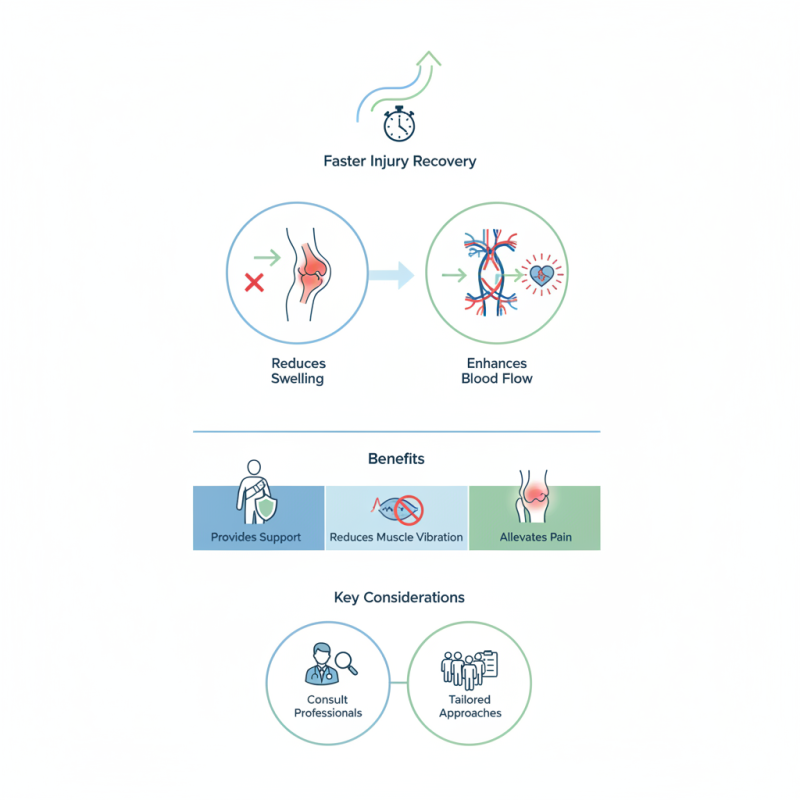
Injuries can significantly hinder our daily lives, making efficient recovery essential. Compression therapy has gained attention for its potential to accelerate healing. Dr. Sarah Connors, a physical therapist specializing in sports medicine, emphasizes its importance by stating, “Compression helps to reduce swelling and enhances blood flow, crucial for repair.”
Understanding why is compression important for injury recovery is vital for athletes and active individuals alike. Compression garments or bandages may facilitate quicker return to activity. They provide support, reduce muscle vibrations, and alleviate pain, making rehabilitation more manageable. These elements can profoundly impact one's recovery journey.
However, it is essential to recognize that not all compression techniques are suitable for everyone. Individual responses can vary. Some may find certain methods uncomfortable or ineffective. Thus, consulting professionals and tailored approaches remain crucial. Additionally, ongoing research continues to refine our understanding of compression in injury recovery.
Compression therapy is a popular method for speeding up injury recovery. This technique utilizes specialized garments or devices designed to apply pressure to specific areas. Such pressure improves blood circulation, reducing swelling and decreasing muscle soreness. Athletes often turn to compression therapy after intense workouts. However, anyone with an injury can benefit from this approach.
Tips: Always consult a healthcare professional before starting compression therapy. They can help identify the right level of pressure needed for your condition. Experiment with different types of compression garments to find what feels comfortable for you.
While compression therapy has proven benefits, it is not a one-size-fits-all solution. Some individuals may experience discomfort or skin irritation. It's essential to monitor how your body reacts. Adjust the pressure or duration of use accordingly. Listening to your body is crucial during the recovery process. Each person's journey differs, and reflection can guide improvement.
Compression therapy plays a vital role in speeding up injury recovery. Various compression devices are available, each designed to target specific injuries and enhance healing. Types of compression devices include sleeves, wraps, and pneumatic devices. Compression sleeves, for instance, apply uniform pressure to stabilize muscles. Wraps are more adjustable and can be tailored to specific areas. Pneumatic devices use air pressure to create varying levels of compression, which can further aid recovery.
Research indicates that compression can significantly reduce muscle soreness and swelling. According to a study published in the Clinical Journal of Sports Medicine, athletes using compression devices reported a 20% faster reduction in recovery time. Additionally, a report by the Journal of Athletic Training found that 70% of participants benefited from improved blood circulation, which is crucial for delivering nutrients to damaged tissues.
Tips: When using compression devices, start with lower levels of pressure. Gradually increase intensity based on comfort and injury severity. It’s essential to monitor your body’s response to avoid excessive pressure. Stay mindful of discomfort, as it can indicate the need for adjustments. Look for signs of decreased blood flow, such as numbness or tingling, and avoid prolonged use without breaks.
Compression therapy is an effective method for enhancing injury recovery. To apply it properly, the first step is choosing the right level of pressure. Research indicates that optimal compression levels enhance blood flow and reduce inflammation. A study published in the Journal of Sports Science found that compression levels between 20-30 mmHg can significantly speed up recovery times.
When applying compression, ensure the garment or wrap fits snugly but isn’t too tight. It should promote circulatory benefits without causing pain or numbness. Many people underestimate the importance of proper application and may not achieve desired results. Timing matters too; post-exercise application can mitigate swelling.
Monitor your body’s response to compression. Some individuals might experience discomfort or skin irritation. This feedback is essential. If any adverse reactions arise, consider adjusting the compression level or duration. Gradual progression is key. Consistently applying compression for one to two hours after activity shows encouraging results in recovery rates. It’s a fine balance between efficiency and comfort, which you might need to fine-tune.
This chart illustrates the relationship between different compression levels and their effectiveness in reducing recovery time from injuries. As the compression level increases, the recovery time decreases significantly.
Compression therapy can greatly aid in injury recovery. Proper timing and duration are crucial for its effectiveness. Applying compression soon after an injury can reduce swelling and improve circulation. This initial phase often requires constant compression for the first 48 hours. Keeping the affected area elevated can enhance these benefits.
The duration of compression therapy should be tailored to individual needs. Consistent but gentle compression is key. Sessions lasting 30 to 60 minutes can be effective. Listen to your body; if discomfort arises, adjust the time or pressure. Properly fitting compression gear is essential. A loose fit may not provide adequate support, while excessive tightness can hinder blood flow.
Reflect on your recovery process. Are you using compression at the right times? Adjustments may be necessary as your condition evolves. Monitor your progress and consult a healthcare professional if uncertainties arise. This ensures you're optimizing your recovery while minimizing risks.
Compression therapy can speed up injury recovery. However, it's vital to understand potential risks involved. Improper use of compression can lead to complications. Too much pressure might restrict blood flow. Always listen to your body and adjust as needed.
Tips: Start with lower compression levels and gradually increase. Monitor your body’s response. If you feel numbness, it's time to reduce pressure. Make sure to remove compression garments during rest. This allows blood circulation to normalize.
Some people may experience skin irritation. It can happen due to moisture trapped beneath the fabric. Choosing breathable materials is essential to avoid discomfort. In rare cases, allergic reactions may occur. If these happen, seeking medical advice is crucial. Overall, being mindful and informed can help enhance recovery using compression therapy.
: Compression therapy helps enhance injury recovery by applying pressure to improve blood flow and reduce inflammation.
Optimal compression levels are typically between 20-30 mmHg for effective recovery benefits.
If it causes pain or numbness, adjust the fit. It should be snug but comfortable.
Apply it soon after the injury, ideally within the first 48 hours, to reduce swelling.
Sessions of 30 to 60 minutes are effective. Listen to your body and adjust as needed.
Discomfort, skin irritation, or numbness can occur. Always monitor your body’s response and adjust.
Choose breathable materials to reduce moisture buildup beneath the fabric.
Remove compression garments during rest to allow blood circulation to normalize.
Too much pressure may restrict blood flow. Always listen to your body to avoid complications.
Reflect on your symptoms and consider consulting a healthcare professional if unsure about adjustments.
Compression therapy has become an essential method for faster injury recovery, primarily due to its ability to enhance blood flow and reduce swelling, which are crucial for healing. Understanding the benefits of compression can significantly impact recovery times, as increased circulation aids in the delivery of oxygen and nutrients to injured tissues. The types of compression devices vary, offering options ranging from elastic bandages to specialized pneumatic systems, each designed to provide targeted pressure.
To achieve maximum effectiveness, it's important to apply compression properly, ensuring it is snug but not too tight to restrict circulation. Timing and duration play critical roles; using compression during and after physical activity can optimize recovery. However, individuals must also be aware of the safety considerations and potential risks associated with improper usage. Ultimately, understanding "why is compression important for injury recovery" can lead to more informed decisions and ultimately better recovery outcomes.
