Injuries can turn a simple walk into a careful negotiation with pain, swelling, and uncertainty. Compression is often recommended because controlled pressure may limit fluid accumulation, support movement, and improve comfort during rehabilitation. But why is compression important for injury recovery? The answer is more nuanced than “tighter is better.”
The World Health Organization reports that approximately 1.71 billion people live with musculoskeletal conditions worldwide. That scale highlights why practical, low-cost recovery tools deserve careful evaluation. Clinical guidance and reviews, including evidence discussed by the Cochrane Library, suggest that compression may help manage swelling after selected soft-tissue injuries, although results vary by injury type and treatment design. It is not a replacement for diagnosis, progressive exercise, or medical supervision.
Think of an ankle after a long day: the sock line may leave a shallow mark, while the joint feels less heavy and more stable. Graduated compression can assist venous return, especially when paired with gentle movement and elevation. The International Consensus Statement on risks and contraindications of medical compression treatment, published in Phlebology, also stresses screening for circulation problems before use.
The evidence is useful, but imperfect. Some studies involve small samples, inconsistent pressure levels, or short follow-up periods. That matters. A professional should assess severe pain, numbness, color changes, suspected fracture, infection, or reduced circulation before compression begins. The following ten reasons explain where compression may support recovery, why individual fitting matters, and when caution is the wiser choice.
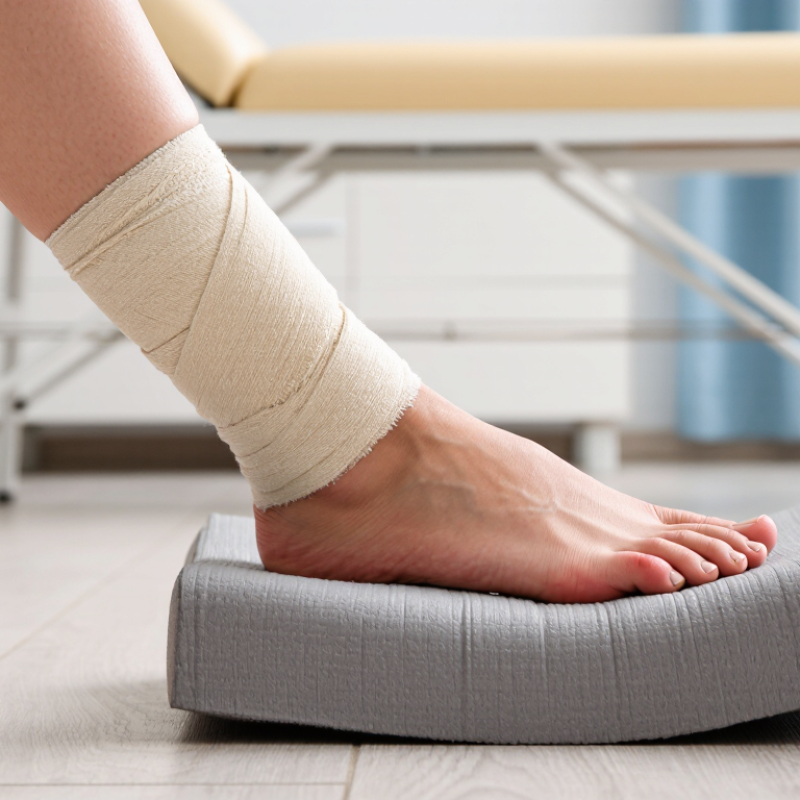
Compression Fundamentals: How 15–30 mmHg Pressure Supports Recovery
Compression Fundamentals: How 15–30 mmHg Pressure Supports Recovery
Compression may help injury recovery by limiting fluid movement around irritated tissue. Moderate pressure, usually 15–30 mmHg, gently narrows superficial veins and supports venous return. It can reduce swelling, heaviness, and movement discomfort. A 2020 international consensus statement in Phlebology supports compression for managing venous and limb edema. However, injury-specific evidence remains less consistent. A 2023 systematic review in Sports Medicine reported small, variable benefits for post-exercise soreness and perceived recovery. The evidence is not perfectly tidy.
In practice, fit matters as much as pressure. A sleeve that feels firm around the ankle should gradually loosen toward the knee. This graduated design supports upward fluid movement without creating sharp pressure points. Do not treat numbness, pale skin, unusual coldness, or increasing pain as normal. These signs require removal and professional assessment. People with suspected circulation problems should seek clinical guidance before using compression.
Tips: Choose a measured size, not a tighter size. Wear compression during light movement or recovery periods. Check your skin after thirty minutes. Hydration, sleep, and appropriate rehabilitation still matter. Compression is supportive, not a replacement for diagnosis or progressive loading.
Swelling Reduction: Clinical Use of 20–30 mmHg Compression Therapy
Compression is one of the most practical tools used during injury recovery. A 20–30 mmHg garment provides moderate, graduated pressure. It feels firm near the ankle and gradually loosens upward. This pressure can limit fluid movement into injured tissues. It may also support venous return during walking or standing.
Clinical use requires more than choosing a pressure number. A clinician should assess circulation, skin condition, injury type, and swelling pattern. The garment must fit smoothly, without folded edges or painful tightness. In practice, patients often notice less ankle fullness by evening. Shoes may feel more comfortable. Movement can become easier. However, compression does not repair torn tissue by itself.
Monitoring matters. Remove the garment if toes become pale, cold, numb, or unusually painful. Sudden swelling, calf tenderness, chest discomfort, or breathlessness needs urgent medical assessment. People with significant arterial disease, uncontrolled heart failure, or suspected blood clots should seek professional guidance before using compression. A common mistake is wearing stronger compression because moderate pressure seems ineffective. More pressure is not automatically better. I would also question routine use overnight unless a qualified clinician recommends it. Skin marks can appear, and fit can change as swelling decreases. That detail is easy to miss.
Top 10 Reasons Why Compression Helps Injury Recovery
Swelling Reduction: Clinical Use of 20–30 mmHg Compression Therapy
The chart shows commonly used graduated-compression pressure bands measured at the ankle.
The 20–30 mmHg range is generally considered moderate compression and may support fluid
management in selected cases of mild-to-moderate swelling. Exact pressure selection should
be based on the injury, circulation, skin condition, and clinician assessment.
- Helps limit fluid accumulation in injured tissues.
- Supports venous return from the lower limb.
- May assist lymphatic fluid movement.
- Can reduce the feeling of heaviness and tightness caused by swelling.
- May improve comfort during movement and rehabilitation.
- Helps control recurrent dependent edema during standing or walking.
- Provides gentle external support to soft tissues.
- May help maintain more consistent limb volume during recovery.
- Can complement elevation, exercise, and other rehabilitation measures.
- Offers a measurable pressure range that can be adjusted as recovery progresses.
Compression is not appropriate for every injury or patient. It should be used cautiously
when arterial circulation is reduced, and medical advice is recommended for severe pain,
numbness, color changes, infection, or rapidly increasing swelling.
Blood Flow and Healing: Evidence from Medical Compression Research
Top 10 Reasons Why Compression Helps Injury Recovery
Blood Flow and Healing: Evidence from Medical Compression Research
Compression garments apply gentle, controlled pressure around an injured limb. This pressure can support venous return, helping blood move back toward the heart. Better venous flow may reduce fluid pooling after exercise or injury. Swelling often feels like a tight, heavy balloon. Compression can make that sensation less intense.
Medical compression research suggests that reduced edema may improve movement and comfort. Less swelling can help the ankle bend, the knee flex, or the hand close. Some studies also report lower muscle soreness after strenuous activity. However, compression does not directly “push” more oxygen into damaged tissue. Arterial blood flow can respond differently. The evidence is useful, but not perfectly uniform.
Fit matters more than pressure alone. A garment that rolls, pinches, or causes numbness may worsen symptoms. Skin color, temperature, and sensation deserve regular checks. People with circulation disorders, unexplained swelling, infection, or serious vascular disease should seek professional advice first. In rehabilitation practice, compression works best alongside movement, elevation, appropriate loading, and sleep. It is support, not a cure. I would avoid promising faster healing for every injury. Recovery remains individual, and the research still leaves important questions unanswered.
Pain and Mobility: Findings from Randomized Compression-Garment Trials
Top 10 Reasons Why Compression Helps Injury Recovery
Pain and mobility remain central in randomized compression-garment trials. Compression applies gentle external pressure around swollen tissue. This may reduce fluid accumulation and create a steadier feeling during movement.
A British Journal of Sports Medicine meta-analysis by Hill and colleagues reviewed 12 studies on compression garments after exercise-related muscle damage. Participants showed small improvements in perceived soreness and muscle function, especially 24 to 72 hours after exercise. The effects were not dramatic. Still, walking down stairs may feel easier when soreness is slightly reduced.
More recent randomized trials report mixed results. Some participants regain joint movement sooner, while others show no meaningful difference from ordinary clothing. A 2022 review in Sports Medicine described compression benefits as small and inconsistent across study designs. Fit, pressure level, injury type, and wearing time probably influence outcomes. That detail matters.
In practical use, a recovering ankle may feel less heavy inside a properly fitted garment. Pain can remain. Numbness, skin color changes, or increasing swelling require removal and clinical assessment. Compression should support movement, not replace rehabilitation exercises. I have also found the evidence less tidy than many headlines suggest. Patient comfort and measured mobility do not always improve together.
Safety Boundaries: ISL Guidance on Pressure Levels and Contraindications
Top 10 Reasons Why Compression Helps Injury Recovery
Safety Boundaries: ISL Guidance on Pressure Levels and Contraindications
Compression may reduce swelling after soft-tissue injury, but stronger pressure is not automatically better. The International Society of Lymphology’s 2023 Consensus Document supports individualized compression within complete decongestive therapy. Pressure should match tissue condition, circulation, pain, and movement. A sleeve that leaves deep marks or causes numb toes is too aggressive.
Pressure levels need clinical judgment. Common medical categories describe mild compression as below 20 mmHg, moderate compression as 20–30 mmHg, and higher compression as 30–40 mmHg. These ranges are not universal prescriptions. The patient’s ankle pressure, skin condition, and injury stage matter more than a label. The 2020 international consensus on compression safety advises caution when ankle pressure falls below 60 mmHg or toe pressure falls below 30 mmHg.
Check circulation first.
Avoid self-treatment over a cold, pale, infected, or rapidly worsening limb. Suspected deep-vein thrombosis requires urgent medical assessment, not tighter fabric. Severe peripheral arterial disease, uncontrolled heart failure, and significant skin breakdown also require specialist guidance. In practice, people often increase pressure because swelling feels alarming. That instinct can mislead. Recheck sensation, color, temperature, and pain after application. Compression should support recovery, not become another injury.
(International Society of Lymphology, 2023; Rabe et al., Phlebology, 2020)
Conclusion
Compression can play an important role in injury recovery by applying gentle, controlled pressure to the affected area. This pressure may help limit fluid buildup, reduce swelling, and support more efficient circulation. Moderate compression, commonly around 15–30 mmHg, can assist the movement of blood and lymphatic fluid while potentially easing discomfort and improving mobility. These benefits may make daily movement and rehabilitation exercises more manageable during recovery.
Understanding why is compression important for injury recovery also requires attention to safety. Compression may support tissue healing and reduce sensations of heaviness or soreness, but it should not be excessively tight or used without considering individual health conditions. People with suspected circulation problems, significant arterial disease, numbness, severe skin changes, or unexplained swelling should seek professional guidance before using compression. Proper pressure level, fit, and duration are essential for gaining potential benefits while reducing the risk of pain, skin irritation, or impaired circulation.

 Morfit Tape