Heavy lifting asks more of your muscles than effort alone. A loaded bar may feel steady in your hands, yet small changes in posture can shift stress across your body. Learning how to support muscles during heavy lifting starts with preparation, not a last-second brace. A gradual warm-up helps you rehearse the movement with lighter loads. Good technique keeps the intended muscles working while limiting avoidable strain. It is not a guarantee against injury. Bodies differ, and even a well-planned session can feel harder than expected.
Support also comes from the choices surrounding each repetition. A stable stance, controlled range of motion, and breathing strategy suited to the lift can improve control. Increase weight in manageable steps, and allow recovery between demanding sessions. Sleep, adequate food, and hydration matter, though none can replace sound programming. Pay attention to sharp pain, unusual weakness, or symptoms that worsen. Stop lifting and seek qualified medical advice when needed. No shortcut works. A coach can help refine your technique, while a clinician can assess persistent concerns. This guide covers practical ways to prepare, lift, and recover without promising perfect safety. Some advice may need adjustment for your equipment, experience, or health history. That uncertainty is worth respecting.
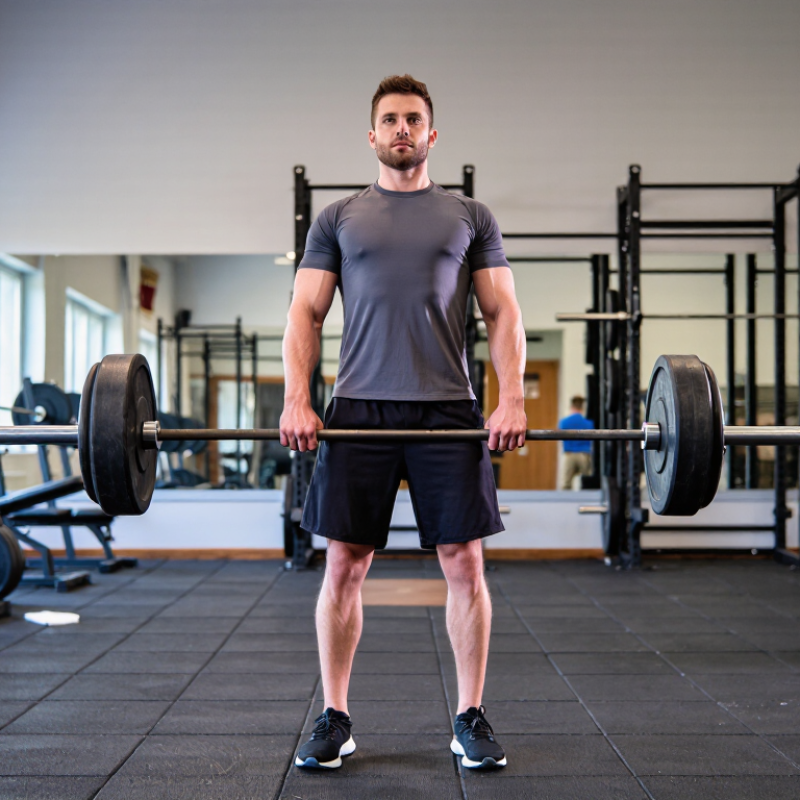
Heavy lifting challenges more than the muscles moving the weight. During a squat, your thighs and hips produce force while your trunk braces to keep your spine steady. Your grip, shoulders, and upper back may work hard even when they are not the main focus. The bar can feel stable, yet small shifts in balance make those muscles adjust from one second to the next.
Muscle fibers face tension as they shorten, hold, and control the weight on the way down. That lowering phase can create considerable fatigue. So can repeated hard sets with short rests. I sometimes think of fatigue as a simple fuel gauge, but that picture is incomplete. Sleep, food, stress, and technique all shape how a lift feels. Soreness alone does not tell you exactly how much useful work your muscles did.
Pay attention to the details. Does your last repetition slow sharply? Does your back position change, or does one side rise before the other? These signs can suggest that fatigue is affecting control. A challenging set is not automatically a better set. Leave room for steady technique, especially when lifting near your limit. Rest long enough to regain control, and increase the load gradually rather than chasing numbers every session. Even careful lifters misjudge a day sometimes. Notice the pattern, and adjust.
Heavy lifting starts before your hands reach the bar. Give yourself a few minutes to notice how your body feels. Poor sleep, unusual soreness, or a lingering ache can change how a familiar load moves. Do not ignore those signals just because the workout is planned.
Begin with five to ten minutes of easy movement, such as brisk walking or cycling, then rehearse the lift with lighter weights. For a squat, try a few slow bodyweight repetitions and check that your feet stay planted. Add weight in manageable steps, keeping the final warm-up sets controlled rather than tiring. Warm-ups should prepare you, not become the workout.
Check the space, collars, bench, and footwear before loading the bar. Keep water nearby, and have a balanced meal with carbohydrates and protein a few hours beforehand if that suits your schedule. There is no single perfect meal or warm-up. I have sometimes rushed through both, then wondered why the first set felt clumsy. Adjust the plan when needed. If pain changes your movement, stop and seek advice from a qualified health professional.
| Preparation Area | Practical Target | What to Do | How It Helps |
|---|---|---|---|
| General warm-up | About 5–10 minutes | Use easy cycling, brisk walking, or another comfortable activity that gradually raises your breathing and body temperature. | Prepares you for movement without tiring your muscles before the main lifts. |
| Movement preparation | Several controlled repetitions of relevant movements | Practice the movement pattern with body weight or a light load, such as unloaded squats or hip hinges. Use a comfortable range of motion. | Lets you rehearse positioning and coordination before adding heavier resistance. |
| Lift-specific warm-up sets | Usually 1–3 gradually heavier sets before the working load | Start with a light load and increase it in manageable steps. Keep these sets controlled and stop well before fatigue. | Introduces the muscles and movement to the planned load while allowing you to check technique. |
| Technique and setup | Check before every working set | Set a stable stance and grip, brace your trunk, use a controlled range of motion, and make sure the equipment and lifting area are secure. | A consistent setup supports controlled lifting and helps reduce avoidable technique errors. |
| Fluids | Begin the session normally hydrated | Drink according to thirst and the conditions. For long or hot sessions, take regular small drinks; avoid forcing excessive amounts of water. | Supports normal body function during exercise, especially when sweating or training in heat. |
| Pre-training meal | Choose timing and portion size that feel comfortable | Have a familiar meal or snack with carbohydrate and protein if you need one before training. Allow enough time to digest comfortably. | Carbohydrate provides energy, while protein contributes amino acids used in muscle repair and maintenance. |
| Recovery and readiness | Adults generally need at least 7 hours of sleep per night | Adjust the planned load or volume if you feel unusually fatigued, unwell, or unable to maintain your usual technique. | Sleep and recovery support performance and help you make sensible decisions about training intensity. |
| Warning signs | Stop if you experience sharp pain, dizziness, or unusual shortness of breath | End the set, move to a safe position, and seek appropriate medical advice when symptoms are severe, persistent, or concerning. | These symptoms should not be treated as ordinary muscle effort or pushed through during heavy lifting. |
Note: Warm-up needs vary with the exercise, training experience, environment, and individual health. Use loads you can control, and seek guidance from a qualified health or fitness professional if you are new to heavy lifting or have a medical concern.
During a heavy lift, good technique helps spread effort across the muscles and joints involved. It cannot make a challenging load harmless. Keep the weight close to your body, and brace your trunk before moving. Bend your knees and hips in a controlled way that suits your build. Small changes help.
For a squat, keep your feet planted and let your knees track in the same general direction as your toes. For a deadlift, bring the bar close to your shins and hips, rather than reaching forward to grab it. Move smoothly, without twisting under load. If your back rounds or your grip slips, reduce the weight and reset. A mirror can offer clues, but a qualified coach can give more useful feedback. Bodies differ, so one exact stance does not suit everyone.
Tips: Try a few lighter repetitions before adding weight. Breathe out through the hardest part of the lift, while keeping your trunk firm. Stop if you feel sharp pain, dizziness, or sudden weakness. Stay patient. When technique breaks down repeatedly, rest and review the movement before lifting heavy again.
Muscle support begins before the weight leaves the floor. Set your feet firmly, brace your trunk, and choose a load you can control through the full range of motion. During a squat, keep the bar balanced over your midfoot and let your knees track in line with your toes. During a press, keep your wrists stacked above your forearms. These small adjustments help distribute effort across the working muscles instead of forcing one joint to do too much. Start lighter than your ambition suggests.
Each repetition should have a clear, steady path. Lower the weight under control, then lift without bouncing or twisting. Breathe out through the hardest part of the effort, while keeping enough trunk tension to stay stable. A little shaking can happen when a set is challenging, but sharp pain, numbness, or a sudden loss of control are reasons to stop and reassess. More weight is not always more useful.
Rest between demanding sets so your muscles can produce force again. If your next set loses its usual range or your form changes, add recovery time or reduce the load. Water and a balanced meal can support training, though neither replaces sound technique or sleep. I sometimes want to rush the next set. That is worth questioning. Track how the lift feels, not just the number on the bar.
Suggested rest between sets varies with your training goal.
Adequate rest helps you recover between sets and maintain lifting performance. These are general ranges; adjust your rest based on the load, exercise, and how ready you feel for the next set. Guidance is based on the American College of Sports Medicine’s resistance-training recommendations.
After a demanding lifting session, recovery is part of training, not time wasted between workouts. Eat regular meals with protein and carbohydrates to support muscle repair and replace energy. A bowl of yogurt, oats, and fruit is one practical option. Drink to thirst, and pay attention to heat and heavy sweating. Small details count.
Sleep helps, too. Keep a steady bedtime when possible, and avoid turning every tired day into a test of willpower. That matters. Track your working weights, repetitions, sleep, and how each set feels. If your usual warm-up feels unusually heavy, or your performance drops across several sessions, reduce the load or number of sets for a while. Mild muscle soreness often eases as you move; sharp pain or pain that changes your movement deserves more caution and, if persistent, professional advice. Adjust gradually, then check how you respond. I might forget to log a set now and then; that makes patterns harder to spot. A simple, honest record beats a perfect plan you never use. Don’t force progress every week.
Your thighs and hips drive the movement. Your trunk braces, while your grip, shoulders, and upper back help steady the bar.
Muscles work while controlling the weight on the way down. Repeated hard sets and short rests can add fatigue. It can sneak up.
Not reliably. Soreness alone cannot show how much useful work your muscles did. Sleep, food, stress, and technique also affect performance.
Watch for a sharply slower final repetition, a changing back position, or one side rising first. Small shifts matter.
Move easily for five to ten minutes, then rehearse with lighter weights. For squats, try slow bodyweight repetitions with your feet planted.
Check the space, collars, bench, and footwear. Keep water nearby. A balanced meal with carbohydrates and protein a few hours beforehand may suit your schedule.
Keep the weight close and brace your trunk before moving. During a squat, keep your feet planted and knees generally aligned with your toes.
Reduce the weight and reset if your back rounds or grip slips. Stop for sharp pain, dizziness, or sudden weakness. Seek qualified advice if pain changes your movement. I have rushed warm-ups before; it did not help.
How to support muscles during heavy lifting begins with understanding the demands placed on them. Heavy loads challenge muscles, joints, and connective tissues, so preparation matters. Warm up with gradual movement, use lighter sets to rehearse the exercise, and make sure you feel ready before increasing the load. A stable stance, controlled movement, and a comfortable range of motion help distribute muscular stress more evenly and reduce unnecessary strain.
During each lift, maintain steady breathing, brace your trunk, and move with control rather than relying on momentum. Choose a load that lets you preserve good technique, and stop if pain or unusual discomfort develops. After training, allow time for recovery through adequate rest, nourishing meals, hydration, and sleep. Track how your body responds, and adjust the weight, volume, or frequency of future sessions as needed. Consistent preparation, sound technique, and thoughtful recovery can help support muscle performance over time.
