How to Improve Circulation During Recovery for Better Health?

Time:2026-06-04 Author:Oliver
0%

Circulation plays a vital role in recovery. When the body heals, good blood flow is crucial. Many people overlook this aspect, which can slow down progress. Understanding how to improve circulation during recovery can significantly impact overall health.

One effective method is engaging in light exercise. Activities like walking or gentle stretching can stimulate blood flow. These movements enhance oxygen delivery and nutrient transport. Additionally, staying hydrated is key. Proper hydration supports blood volume and improves circulation.

Diet also plays a significant role. Consuming omega-3 fatty acids and antioxidants can promote vascular health. Foods rich in these nutrients can be easily incorporated into meals. However, some may struggle with implementing these changes. Reflecting on personal habits can guide improvements. Prioritizing circulation during recovery is essential for regaining strength and vitality.
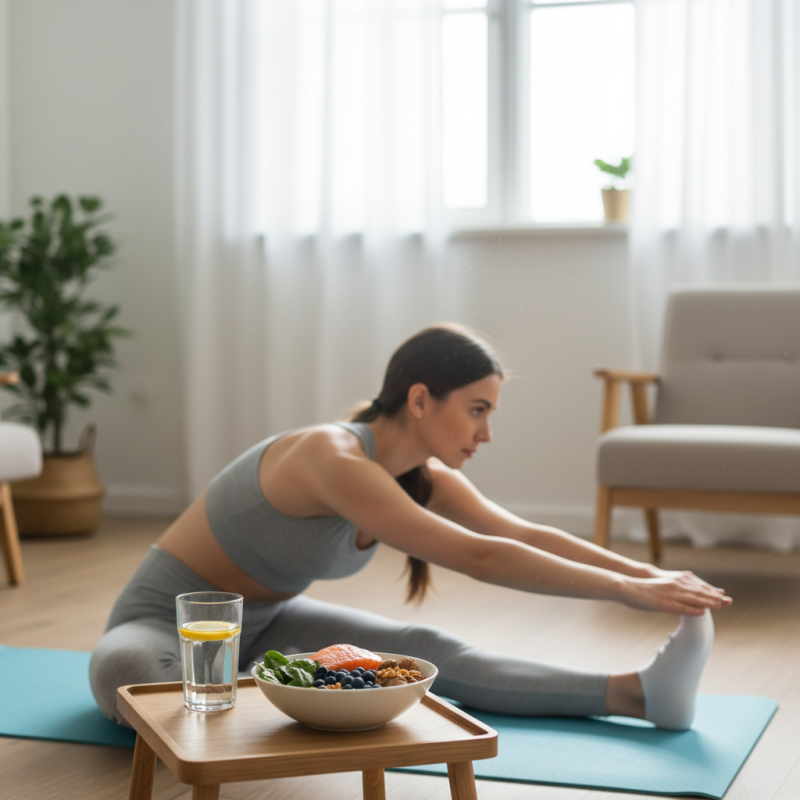
How to Improve Circulation During Recovery for Better Health?

Understanding Circulation and Its Impact on Recovery

Understanding circulation is crucial for recovery. Good circulation delivers oxygen and nutrients to tissues. It helps with healing wounds and reducing fatigue. Poor circulation can lead to complications. This can prolong recovery time and affect overall health.

To improve circulation, consider incorporating gentle exercises into your routine. Simple activities like walking or stretching can stimulate blood flow. Aim for at least 30 minutes of movement each day. Staying hydrated also plays a key role. Water helps maintain blood volume and encourages circulation.

In addition, pay attention to your diet. Consuming fruits, vegetables, and whole grains nourishes your body. These foods can help reduce inflammation, which may block circulation. Don't overlook the importance of rest. Quality sleep aids in recovery and promotes better blood flow. Reflect on your habits regularly and make adjustments as needed.

Improving Circulation During Recovery

Key Factors Affecting Circulation During the Healing Process

Circulation plays a crucial role during recovery. Proper blood flow aids in delivering nutrients and oxygen to damaged tissues. Several factors affect circulation, which can either enhance or hinder healing. For example, physical activity can stimulate blood flow, promoting faster recovery. Simple exercises, even short walks, can significantly help.

Another factor is hydration. Staying well-hydrated helps the blood remain fluid. This, in turn, supports circulation. Dehydration can lead to thicker blood, which has a harder time flowing. Additionally, a balanced diet rich in vitamins and minerals aids in healing. Foods high in antioxidants enhance blood flow and reduce inflammation.

Stress can negatively impact circulation. When we experience stress, blood vessels constrict. This makes it harder for blood to reach healing areas. Practicing mindfulness or relaxation techniques can counteract this. Remember, recovery is not just about physical healing. It also involves mental well-being. Ignoring emotional factors can slow down the healing process. Tailoring your approach to include both physical and emotional care is key.

How to Improve Circulation During Recovery for Better Health? - Key Factors Affecting Circulation During the Healing Process

Factor Description Impact on Circulation Suggestions for Improvement
Hydration Maintaining fluid balance Essential for blood volume and circulation Drink plenty of water daily
Physical Activity Movement and exercise Enhances blood flow and vascular health Engage in light exercises like walking
Diet Nutritional intake Certain foods can help improve circulation Include fruits, vegetables, and omega-3 fatty acids
Warm Baths Soaking in warm water Promotes blood vessel dilation Take regular warm baths or showers
Compression Garments Wearing supportive clothing Helps to improve venous return Wear compression socks as needed

Effective Strategies to Boost Blood Flow After Injury or Surgery

Recovering from an injury or surgery can be challenging. Improving circulation is vital for healing. With better blood flow, nutrients and oxygen reach the damaged tissues more effectively. Various strategies can help boost circulation during the recovery process.

One effective method is gentle movement. Simple exercises, like stretching or walking, can stimulate blood flow. These activities should be adjusted according to comfort levels. Avoid overexertion; it can lead to setbacks. Heat therapy can also help. Applying a warm compress can dilate blood vessels, promoting circulation. It’s a small adjustment but can yield significant benefits.

Nutrition plays a critical role too. Foods rich in vitamins C and E can support vascular health. Additionally, staying hydrated is essential. Drinking plenty of water helps maintain optimal blood viscosity. However, some may find it difficult to eat well during recovery. This can be a moment for improvement. Being mindful of dietary choices supports the healing process. Embracing these strategies may not be easy, but they are essential for a successful recovery.

Role of Nutrition and Hydration in Enhancing Circulatory Health

Nutrition and hydration play crucial roles in enhancing circulatory health during recovery. A well-balanced diet rich in vitamins and minerals can significantly improve blood flow. Foods high in antioxidants, such as berries and leafy greens, help reduce inflammation. Omega-3 fatty acids found in fish and nuts promote healthy blood vessels. Keep your diet varied to cover all nutrient needs.

Staying hydrated is equally important. Dehydration can thicken the blood and restrict circulation. Drink plenty of water throughout the day, especially during recovery. Herbal teas and electrolyte-rich drinks can aid hydration too. Aim for at least eight glasses of water daily.

Tips: Incorporate a rainbow of fruits and vegetables into your meals. Choose whole grains over refined options for better fiber intake. Remember to listen to your body. Everyone’s hydration needs differ. Adjust your fluid intake based on activity level and climate. Small, consistent changes can lead to significant improvements in your circulation.

Exercise and Movement Techniques to Improve Circulation Post-Recovery

Recovering from an injury or illness often leaves the body in need of enhanced circulation. Exercise and movement techniques play a crucial role in this process. Gentle activities like walking or stretching help stimulate blood flow. Even short sessions can significantly benefit recovery. Incorporating small bursts of activity into your day can make a real difference.

Different methods can improve circulation effectively. Yoga offers various poses that enhance blood flow. Simple leg lifts or seated twists can activate circulation in specific areas. Additionally, deep breathing exercises can promote oxygen delivery throughout the body. Some may find it challenging to stick to a routine. Setting realistic goals can help overcome this barrier.

Listening to your body is essential. Some days will feel better than others, and that’s okay. If pain or fatigue sets in, adjust your approach. Remember, progress may be slow, but consistency is key. Finding enjoyment in movement can make recovery feel less daunting. Focus on what feels good for your body and adapt your activities accordingly.

FAQS

: Why is circulation important during recovery?

: Good circulation delivers nutrients and oxygen to damaged tissues, aiding the healing process.

How can physical activity affect healing?

Physical activity stimulates blood flow, promoting faster recovery. Simple exercises or short walks can help significantly.

What role does hydration play in circulation?

Staying hydrated keeps blood fluid, supporting circulation. Dehydration can thicken blood, hindering flow.

What dietary choices can support healing?

A balanced diet rich in vitamins and antioxidants enhances blood flow and reduces inflammation.

How does stress impact circulation?

Stress can constrict blood vessels, making it harder for blood to reach healing areas. Relaxation techniques can help.

What are effective movement techniques for recovery?

Gentle activities like walking or stretching stimulate blood flow. Short, frequent sessions can yield great benefits.

How can heat therapy benefit circulation?

Applying a warm compress dilates blood vessels, promoting better circulation. This adjustment can have significant effects.

What should I remember about my recovery journey?

Recovery involves both physical and emotional healing. It's okay to have difficult days; adjusting your approach is important.

Why might nutrition be challenging during recovery?

Some may struggle to eat well while recovering. Making mindful dietary choices can greatly support healing.

How can I stay motivated in my recovery routine?

Setting realistic goals and finding enjoyment in movement can make your recovery feel less daunting and more achievable.

Conclusion

Improving circulation during recovery is essential for enhancing overall health and facilitating the healing process. Understanding how circulation impacts recovery allows individuals to appreciate its significance in injury or post-surgery contexts. Key factors affecting circulation include inflammation, immobilization, and the body’s natural healing processes.

Adopting effective strategies can significantly boost blood flow, such as incorporating gentle exercises, ensuring proper hydration, and maintaining a balanced diet rich in nutrients that support vascular health. Movement techniques, like stretching and light aerobic activities, can enhance circulation further, promoting faster recovery. Focusing on these aspects will guide individuals on how to improve circulation during recovery, ultimately leading to better health outcomes.

Oliver

Oliver

Oliver is a seasoned marketing professional with a wealth of expertise in driving brand awareness and engagement. With a deep understanding of our company's product offerings, he consistently delivers high-quality content that enriches our professional blog. His insights not only shed light on......