After an intense workout, muscle recovery is crucial. Athletes, fitness enthusiasts, and casual gym-goers alike often seek ways to heal faster. This leads to the question of how to improve muscle recovery time after workouts. Proper recovery can enhance performance and reduce the risk of injury.
Effective recovery involves a combination of rest, nutrition, and active recovery techniques. While many may focus solely on post-workout protein intake, other factors play vital roles. Hydration, sleep quality, and stretching are equally important. Moreover, listeners may overlook their recovery routines, leading to unnecessary fatigue or repetitive strain injuries.
Understanding the comprehensive aspects of recovery can be challenging. Many people may not realize how small changes can significantly impact their recovery timeline. Reflecting on personal routines can reveal areas for improvement. By prioritizing muscle recovery, individuals can train harder in the long run.
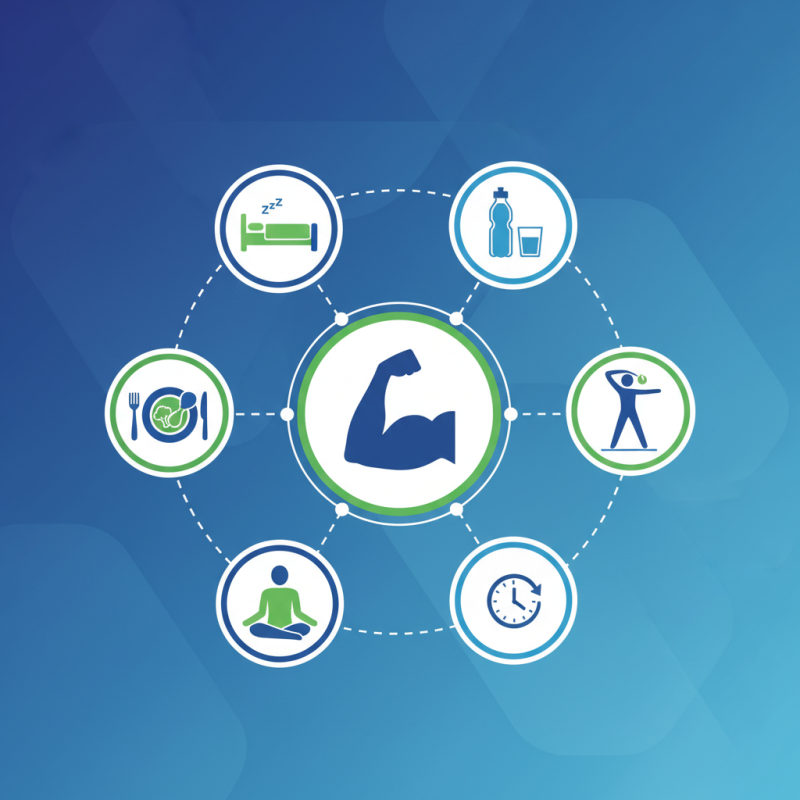
Muscle recovery is essential for athletes and fitness enthusiasts. Understanding how muscles repair can significantly enhance performance. After intense workouts, muscles undergo micro-tears. This process requires adequate nutrition, hydration, and rest to heal effectively. According to a study published in the Journal of Sports Sciences, optimal recovery can reduce muscle soreness by up to 40%.
To facilitate muscle repair, prioritize protein intake post-workout. Consuming 20-30 grams can stimulate muscle protein synthesis. Aim for a well-balanced meal within 30 minutes after exercise. Additionally, staying hydrated is crucial. Water aids nutrient transport and reduces muscle cramping. Research from the American College of Sports Medicine suggests that even mild dehydration can hinder recovery.
Tip: Engage in active recovery days. Light activities like walking or yoga can increase blood flow. This promotes faster muscle healing and reduces stiffness. Listening to your body is vital. Recovery isn't always linear; progress may fluctuate. Being mindful of this can help set realistic expectations for your fitness journey.
Nutrition plays a crucial role in muscle recovery. Key nutrients
like protein, carbohydrates,
and healthy fats are essential. Protein supports muscle repair. Aim for high-quality sources,
such as lean meats, dairy, and legumes. Consuming protein post-workout helps to initiate
recovery.
Carbohydrates replenish glycogen stores. They provide
energy for future workouts. Include complex carbs like whole grains, fruits, and vegetables
in your diet. Balance is important. Too much or too little can hinder recovery.
Hydration is another aspect to consider. Water aids in nutrient transportation and waste removal.
Timing matters as well. Consuming a meal
or snack within two hours post-exercise can enhance recovery. Many people struggle with this
due to busy schedules. Preparing meals in advance can help. Listen to your body and adjust
your intake based on activity levels. It’s all about finding what works for you.
Hydration plays a critical role in muscle recovery. When you exercise, your body loses fluids through sweat. Dehydration can slow down muscle repair. Fluid levels directly impact your performance and recovery time. Aim to drink enough water before, during, and after your workouts. This simple act can make a significant difference in how you feel post-exercise.
Many athletes overlook hydration. They focus on complex diets or supplements, forgetting the basics. Drinking water helps transport nutrients to your cells. It also aids in removing waste that builds up during exercise. Pay attention to your body’s signals. Dark urine or fatigue might mean you need more fluids.
Sometimes, we may not realize when we are dehydrated. As you push your limits, keep a water bottle nearby. Remember, muscle recovery is not just about rest. It’s also about replenishing what you lose during workouts. Finding a balance is key, and hydration is an essential piece of that puzzle.
Active recovery techniques can significantly enhance muscle recovery time after workouts. These methods involve low-intensity activities that promote blood flow and reduce muscle soreness. Walking, light cycling, or yoga are excellent options. Engaging in these activities helps to alleviate tension and flush out metabolic waste, allowing muscles to heal faster.
Tips: Incorporate short sessions of active recovery into your routine. Aim for 20 to 30 minutes of gentle movement after intense workouts. Listen to your body. If you feel pain, it's essential to adjust your activity level.
Hydration plays a crucial role in recovery. Drinking enough water helps maintain muscle function and facilitates nutrient transport. Consider adding electrolytes for improved hydration. Creating a post-workout nutrition plan can be beneficial too. Focus on proteins and healthy carbs for optimal recovery.
Tips: Prepare a recovery meal within 30 minutes post-workout. This can be a smoothie or a simple meal. Make it a habit to prioritize nutrient-dense foods that support muscle repair. Always reflect on how your body responds to different recovery techniques and adjust as needed.
Sleep and stress management play critical roles in muscle recovery. When you sleep, your body repairs tissues and builds muscle. Aim for a consistent sleep schedule of 7-9 hours. Lack of sleep can lead to increased fatigue, poor performance, and slower recovery. Your muscles may feel sore and strained without adequate rest.
Additionally, stress can impede recovery. High cortisol levels from stress can delay healing and muscle growth. Finding time for relaxation techniques, such as deep breathing or meditation, can greatly benefit your recovery journey. It’s essential to discover what calms your mind. Whether it’s a walk in nature or simply listening to music, make it a priority.
The struggle to balance work, life, and exercise can be overwhelming. Reflect on your routines and identify stressors. Are you working out too hard without allowing recovery time? Sometimes, taking a step back to reassess leads to better results. Embrace imperfection in your recovery methods and be open to change.
This chart illustrates the relationship between hours of sleep and muscle recovery scores. As shown, increasing sleep duration generally correlates with higher recovery scores, highlighting the importance of sleep for effective muscle recovery.
: Active recovery techniques involve low-intensity activities like walking, cycling, or yoga. They enhance muscle recovery.
Aim for 20 to 30 minutes of gentle movement after intense workouts to promote healing.
Staying hydrated maintains muscle function and aids nutrient transport. Consider adding electrolytes for better hydration.
Focus on proteins and healthy carbs for post-workout meals. Prepare a recovery meal within 30 minutes.
Sleep is crucial for tissue repair. Aim for 7-9 hours of consistent sleep to support muscle growth and recovery.
High stress can delay healing. Relaxation techniques like deep breathing can enhance your recovery process.
Reflect on your routines. Are you overtraining or neglecting recovery time? Adjust your approach as needed.
Discover what calms you, like nature walks or music. Prioritize relaxation to aid recovery. Embrace imperfection.
Yes, combining techniques like active recovery, hydration, and sleep can optimize your recovery. Experiment to find what works.
Listen to your body. Adjust your activity level if you feel pain. Recovery is not a one-size-fits-all approach.
Muscle recovery time is crucial for athletes and fitness enthusiasts looking to enhance their performance and prevent injuries. To effectively improve muscle recovery time, it is essential to understand the basics of muscle repair, which involves the body’s natural healing processes following intense workouts. Nutrition plays a vital role, with a focus on key nutrients such as proteins, carbohydrates, and healthy fats, along with proper timing to fuel recovery.
Additionally, staying adequately hydrated is vital for optimal muscle function and recovery. Active recovery techniques, such as light exercises and stretching, can promote blood flow and expedite healing. Furthermore, prioritizing quality sleep and managing stress are critical components in achieving efficient muscle recovery. By adopting these practices, individuals can significantly enhance how to improve muscle recovery time and maintain peak performance in their fitness routines.
