Muscle pain after exercise is common and often expected. Understanding why does muscle pain last after exercise can help individuals manage their recovery. This pain, known as delayed onset muscle soreness (DOMS), typically arises 24 to 48 hours post-exercise.
Research shows that the body experiences microscopic tears in muscle fibers during intense workouts. These tears trigger inflammation, leading to discomfort and stiffness. This process is natural but can be perplexing for many. Why does muscle pain last after exercise? It's essential to recognize that healing takes time. Factors like exercise intensity, duration, and an individual’s fitness level can influence the duration of soreness.
While some people may expect quick recovery, it's essential to embrace the healing journey. Listening to your body is crucial. Not all pain is harmful, but persistent discomfort may require attention. By understanding this phenomenon, individuals can tailor their training and recovery plans. This knowledge empowers them to navigate their fitness journey with more resilience and awareness.
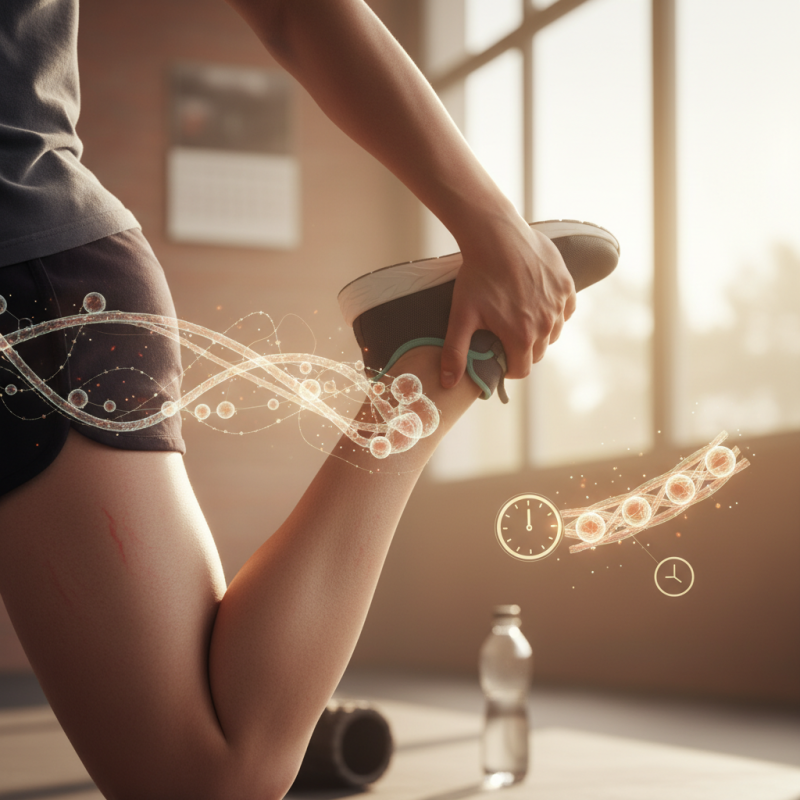
Delayed Onset Muscle Soreness, commonly known as DOMS, is a common experience after intense exercise. Research indicates that about 70% of individuals report muscle soreness post-workout. This discomfort typically peaks 24 to 72 hours following the exercise session. It can be frustrating for both novice and experienced athletes alike.
The pain associated with DOMS results from micro-tears in muscle fibers. During strenuous workouts, the muscle undergoes stress, causing tiny injuries. In response, the body initiates a repair process, leading to inflammation. This inflammation can result in muscle stiffness and tenderness. A study published in the Journal of Strength and Conditioning Research noted that eccentric exercises particularly contribute to greater soreness. These exercises lengthen the muscle while it is under tension, increasing the likelihood of damage.
It's essential to note that while DOMS signifies an effective workout, excessive soreness can hinder performance. Listening to your body is crucial. Overtraining without adequate recovery can lead to burnout or injury. Balancing intense workouts with rest is vital, as it allows the body to rebuild stronger. The journey in fitness is not always about pushing limits; sometimes, it’s about learning when to ease off.
When you exercise, your muscles undergo stress, causing tiny injuries known as microtears. These microtears are a natural part of muscle growth. They lead to discomfort and soreness after workouts. This phenomenon is often referred to as delayed onset muscle soreness (DOMS). Understanding this process helps in managing pain and planning recovery.
Tightness and soreness may linger for days. Your body needs time to repair the damaged fibers. Protein intake is crucial during this recovery phase. Aim for high-quality protein sources to nourish your muscles. Hydration also plays a key role; drink plenty of water to flush out toxins and support the recovery process.
Tips: Stretching after workouts can alleviate tightness. Gentle movements help increase blood flow to sore areas. Incorporating rest days into your routine is essential for muscle recovery. Listen to your body; pushing through pain may lead to injury. Embrace this cycle of stress and repair; it's vital for building strength and resilience.
After an intense workout, muscle pain often lingers. This discomfort is linked to inflammatory responses in the body. When you exert yourself, tiny tears occur in muscle fibers. This microtrauma is a natural part of building strength. Your body responds by sending immune cells to the site of injury. These cells release various chemicals, which can cause swelling and pain.
Inflammation serves a vital purpose. It helps initiate the healing process. However, excessive inflammation can lead to prolonged discomfort. Some may experience soreness for days. This phenomenon, known as delayed onset muscle soreness (DOMS), varies from person to person. Factors like workout intensity and individual fitness levels play a role. Even well-trained athletes experience DOMS. It's a reminder that recovery takes time.
Listening to your body is crucial. Children often bounce back quickly, while adults may take longer. Allowing sufficient recovery time is necessary to prevent injury. Incorporating gentle stretches and hydration helps alleviate pain. While some discomfort is normal, recognizing your limits is key. Pain should not be ignored but understood as part of your fitness journey.
Muscle pain after exercise is a common experience. Many factors play a role in how long it lasts. The intensity of the workout is significant. Higher intensity leads to more micro-tears in muscle fibers. This, in turn, can result in prolonged pain. A tough workout can leave muscles sore for days. Some might even say it's a badge of honor, but it often requires attention.
Additionally, the duration of exercise impacts muscle recovery. Longer sessions can cause more extensive damage, leading to increased soreness. Rest days are essential in recovery. However, resting too long can also lead to stiffness. It’s a delicate balance that requires careful consideration. Listening to your body is critical during this phase.
Moreover, recovery strategies can heavily influence pain duration. Proper hydration and nutrition are vital. Stretching and foam rolling can alleviate some discomfort. Yet, some individuals might skip these important steps. Ignoring post-workout care can result in lingering pain. Awareness of one’s routine can lead to better outcomes and less discomfort. Recognizing these elements can improve recovery and enhance overall performance.
Muscle soreness after exercise can be intense. It happens due to microscopic tears in muscle fibers. Proper nutrition and hydration play key roles in recovery. Consuming enough protein helps repair these muscle tears. Aim for lean sources of protein after workouts. This supports muscle recovery and growth.
Hydration is equally important. Water aids in nutrient transport and helps flush out toxins. Dehydration can worsen muscle soreness. Drink water before, during, and after exercise. Electrolytes also matter; they help maintain muscle function. Consider natural sources like fruits. Bananas, for example, are rich in potassium, which is vital during recovery.
Reflecting on one’s nutrition can lead to improvements. Sometimes, individuals may forget to prioritize meals around workouts. Monitoring dietary habits can make a significant difference. A tailored approach to hydration and nutrition contributes to better performance and reduced soreness. This process takes time and awareness. Making changes gradually leads to lasting benefits.
| Nutrition/Hydration Factor | Importance | Recommended Sources | Suggested Timing |
|---|---|---|---|
| Protein | Essential for muscle repair and recovery. | Chicken, fish, legumes, dairy. | Post-workout within 30 minutes. |
| Carbohydrates | Replenishes glycogen stores used during exercise. | Rice, pasta, fruits, whole grains. | Immediately post-exercise. |
| Electrolytes | Helps maintain fluid balance and prevent cramping. | Bananas, salt, sports drinks. | During and after exercise. |
| Water | Critical for hydration and recovery. | Plain water, herbal teas. | Before, during, and after exercise. |
| Antioxidants | Reduces inflammation and muscle soreness. | Berries, nuts, green tea. | Daily intake, especially post-exercise. |
: Muscle pain arises from tiny tears in muscle fibers during exercise. This causes inflammation and discomfort.
DOMS is muscle soreness that appears days after a workout. It varies by workout intensity and individual fitness levels.
Inflammation initiates healing by sending immune cells to injury sites. It helps repair muscle damage following exercise.
Yes, excessive inflammation can lead to prolonged soreness. Recovery may take longer if inflammation is not managed.
Consuming protein helps repair muscle tears. Proper nutrition after workouts is essential for recovery and growth.
Hydration aids nutrient transport and removes toxins. Drinking water before, during, and after exercise reduces soreness.
Electrolytes maintain muscle function and hydration. Natural sources like bananas provide potassium, which is vital for recovery.
Monitoring diet habits around workouts can reveal improvements needed. Prioritizing meals makes a significant difference in recovery.
Pain signals shouldn't be ignored. Individuals must understand their limits to prevent injury and support recovery.
Gentle stretches can alleviate pain and improve flexibility. Incorporating them actively supports recovery processes.
Muscle pain after exercise, often referred to as Delayed Onset Muscle Soreness (DOMS), can be primarily attributed to microtears in muscle fibers that occur during intense or unfamiliar physical activity. As these microtears heal, inflammation sets in, contributing to the sensation of soreness. This process can vary in duration, influenced by factors such as the intensity and duration of the workout, individual recovery strategies, and the overall approach to nutrition and hydration.
Understanding "why does muscle pain last after exercise" involves recognizing that recovery time also depends on how well the body is fueled and hydrated post-workout. Proper nutrition plays a critical role in alleviating muscle soreness by supporting the repair processes. Therefore, to effectively manage muscle pain, athletes and fitness enthusiasts should consider not only their workout routines but also their recovery practices and dietary habits.
