In the world of sports injuries, the question often arises: what is the fastest way to heal a sports injury? Dr. Mark C. Smith, a renowned sports medicine specialist, emphasizes that rest is paramount. He states, "Your body needs time to repair and recover."
Rest allows the body to focus its energy on healing. When athletes push through their injuries, they risk further damage. Recovery should be a priority, not an afterthought. Rushed healing can lead to chronic pain or long-term complications.
In a high-pressure environment, athletes often overlook the importance of rest. However, studies show that proper recovery significantly reduces recovery time. Techniques like ice therapy and gentle movement can complement rest, but nothing beats allowing the body to recuperate fully. Accepting this can be a challenge, yet it's crucial for long-term health and performance.
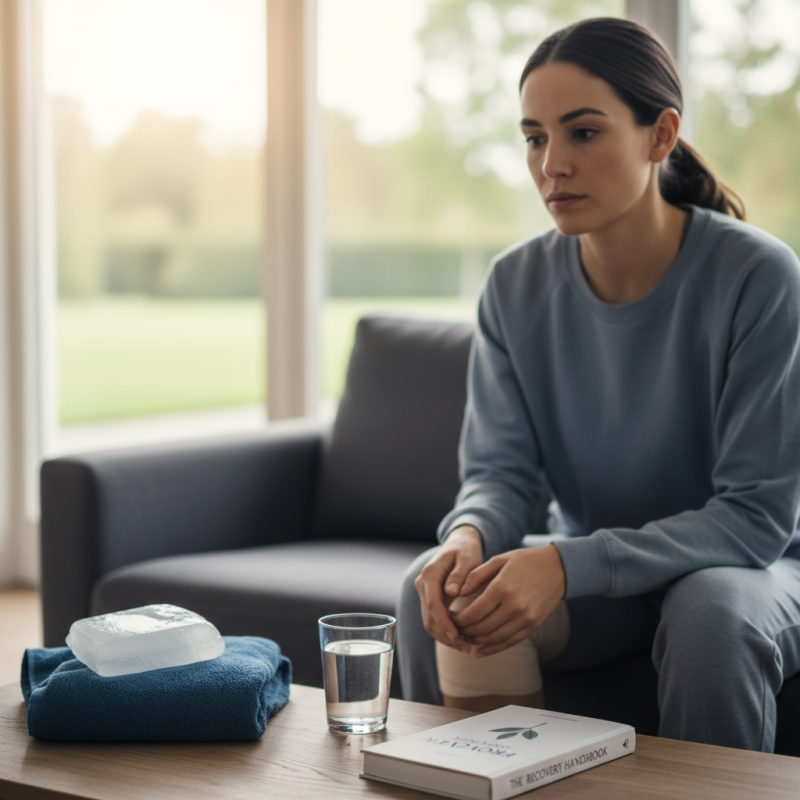
Rest plays a crucial role in injury recovery, particularly for athletes. Studies indicate that about 60% of athletes who rest adequately after an injury report faster healing times. This is because rest allows the body to repair damaged tissues naturally. Muscles, ligaments, and tendons need time to recover and rebuild strength. A report from the American Journal of Sports Medicine supports this, showing that rest can reduce the healing time by up to 30%.
During rest, the body redirects energy to the injury site. This process facilitates inflammation reduction, crucial for healing. However, it's essential to note that not all athletes find it easy to rest. The pressure to return to play can lead to premature activity. In fact, a survey revealed that over 40% of athletes feel they should push through the pain, risking re-injury. This reflects a significant misunderstanding of rest's importance.
Moreover, rest doesn't simply mean doing nothing. Active rest, involving light activities, can also promote blood flow without straining the injury. According to recent guidelines from physical therapy experts, this balanced approach accelerates recovery. Athletes should focus on listening to their bodies and allow time for recovery, as skipping this crucial phase can lead to long-term setbacks.
Rest plays a crucial role in healing sports injuries. When muscles and tissues suffer damage, they need time to recover. This recovery relies on several physiological benefits that rest provides. During rest, blood flow increases to the injured area, delivering vital nutrients and oxygen. This process is essential for repairing damaged muscle fibers.
Additionally, resting helps reduce inflammation. When tissues are injured, inflammation can amplify pain and delay healing. By allowing the body to rest, the inflammatory response can normalize. This can also lead to a decrease in swelling, which often accompanies injuries. This combination helps the body regain strength, promoting recovery more efficiently.
It’s important to note that rest doesn't mean complete inactivity. Gentle movements might aid recovery without overstraining the muscles. However, many athletes struggle to balance rest and training. Ignoring the need for rest can lead to re-injury or prolonged recovery. Finding the right balance can be challenging, but taking time to rest is one of the best decisions an athlete can make for their health.
This chart illustrates the muscle recovery rate over different periods of rest following a sports injury. The data indicates that longer rest periods significantly improve the recovery rate of injured muscles, showcasing the importance of adequate recovery in the healing process.
Rest is often overlooked in the hustle of recovery. However, inactivity plays a crucial role in healing sports injuries. When an injury occurs, inflammation sets in as the body’s initial response. This inflammation, while a natural process, can cause pain and limit mobility. By resting the affected area, you allow the body to focus on healing. This time without strain helps to reduce inflammation effectively.
As you rest, blood flow increases to the injured site. This improved circulation delivers essential nutrients that aid recovery. Combined with a break from physical activities, resting lowers the risk of aggravating the injury. Pain often diminishes as inflammation decreases. You might wonder if complete inactivity is the answer. The truth is, light movement may also help, but it should not cause discomfort. It’s a balance that requires careful tuning.
Resting gives the body a chance to reset. It is a time for reflection on your training practices and recovery habits. Not every athlete appreciates the need for rest until they encounter injury. The journey to recovery is not just physical; it’s a mental shift too. Embracing rest may feel counterintuitive, but it's a pivotal step towards healing.
Rest is an important element in healing sports injuries. However, it isn't just the physical aspect that matters; the psychological impact of rest is substantial. When athletes take time off, their mental state often fluctuates. Some may feel anxious about losing their edge. Others may experience feelings of inadequacy. These emotions can complicate recovery if not addressed properly.
Mental recovery is as vital as physical healing. Athletes may find it helpful to engage in visualization techniques during rest. Imagining successful performances can soothe anxieties. Fostering a positive mindset can accelerate the healing process. It's essential to create a supportive environment. Friends and family should encourage athletes, reminding them that healing is part of their journey.
Additionally, athletes might find themselves questioning their dedication during rest periods. They may struggle with a sense of loss, especially if competition is a large part of their identity. It’s important to accept these feelings and work through them. Reflection can ultimately lead to personal growth and resilience. Balancing both mental and physical aspects is key to recovery.
Rest is crucial for healing sports injuries. According to the American College of Sports Medicine, adequate rest can reduce recovery time by up to 50%. However, figuring out how to rest effectively is essential. Athletes often push through pain, believing that rest implies weakness. They may ignore warning signs, risking prolonged injuries. A safe approach incorporates planned rest periods that aid healing while maintaining some activity intensity.
Incorporating active recovery strategies can help. Gentle stretching and low-impact movements keep blood flowing, which enhances healing. The National Institutes of Health report that controlled movement during recovery can significantly improve range of motion. Athletes should also prioritize sleep. Research indicates that sleep deprivation can delay healing by 20% or more. Creating a bedtime routine promotes better sleep quality and ensures the body heals optimally.
Listening to one’s body is vital. Sometimes, it’s tough to distinguish between normal soreness and pain signaling an issue. Athletes should track their symptoms in a journal. This practice helps identify patterns and optimize rest strategies. Thoughtful reflection on one’s recovery experience can prevent future injuries and foster a healthier athletic mindset.
| Resting Strategy | Description | Duration (Days) | Effectiveness |
|---|---|---|---|
| Active Rest | Engaging in low-intensity activities that do not strain the injured area. | 7-14 | Moderate |
| Complete Rest | Avoiding all physical activities to allow complete recovery. | 3-5 | High |
| Ice Therapy | Applying ice to reduce swelling and pain. | Ongoing during recovery | High |
| Sleep | Prioritizing sleep to enhance recovery and immune function. | Ongoing during recovery | Very High |
| Physical Therapy Rest | Rest periods within a supervised rehab program to avoid overexertion. | As prescribed | High |
: Rest helps the body repair damaged tissues and may reduce healing time by up to 30%.
Rest allows the body to focus on healing and reduces inflammation, alleviating pain and improving mobility.
Many athletes struggle to rest due to pressure to return, risking re-injury in the process.
Active rest includes light activities that promote blood flow without putting stress on the injury.
Complete inactivity isn't always beneficial, while light movement can aid healing if done without discomfort.
Increased blood flow delivers nutrients to the injury site, helping to decrease pain and accelerate recovery.
Rest is a time to reflect on training practices and recovery habits, which may not be appreciated until injury occurs.
Yes, many athletes overlook rest until faced with an injury, which can lead to long-term setbacks.
Athletes may feel resting is unproductive, but it's essential for effective healing and recovery.
Athletes should embrace rest as a critical part of recovery, recognizing the balance needed for healing.
Rest is often overlooked but is arguably the fastest way to heal a sports injury. Understanding the importance of rest during injury recovery reveals its critical role in promoting healing. Physiologically, rest allows muscles and tissues to repair, reducing inflammation and pain, which are vital for recovery. Additionally, the psychological benefits of rest cannot be neglected, as a rested mind enhances motivation and patience during rehabilitation.
Implementing effective rest strategies is essential for athletes striving to return to peak performance quickly. This includes scheduled downtime, listening to one's body, and incorporating relaxation techniques. Ultimately, recognizing that what is the fastest way to heal a sports injury involves a balanced approach to rest and activity can significantly enhance recovery outcomes and well-being.
