Injuries can hinder athletic performance and disrupt training routines. They impact training methods and require careful adaptations. Knowing how to train safely with previous injuries is critical for recovery and long-term health. Research indicates that nearly 50% of all athletes experience injuries annually, leading to significant downtime and potential setbacks.
Proper rehabilitation can help athletes return to their training regimens effectively. However, many overlook essential safety protocols. The National Athletic Trainers' Association emphasizes that over three million sports injuries occur each year in the U.S. alone. These statistics highlight the importance of individualized training approaches. Each athlete's experience with injury differs, necessitating tailored strategies to mitigate risks.
Trial and error play a role in safe training practices. Athletes must often confront uncertainty when rebuilding strength and flexibility. Listening to one's body becomes paramount. Implementing gradual increases in training intensity can help prevent re-injury. Reflecting on past mistakes can guide better decisions in the future. With proper knowledge and awareness, athletes can overcome challenges and enhance their recovery processes.
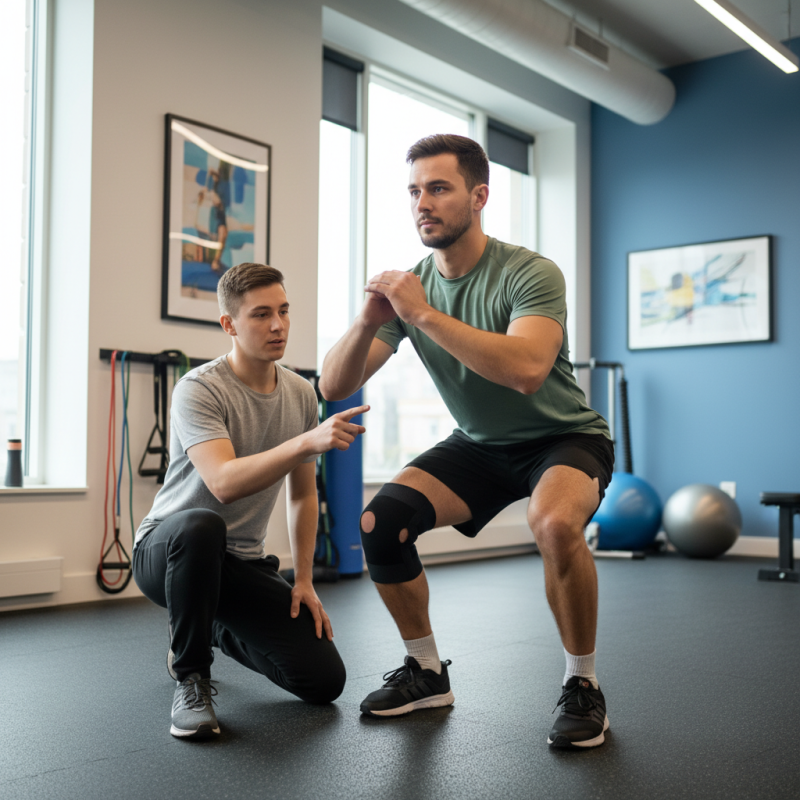
Understanding your previous injuries is crucial for safe training. Different types of injuries impact your recovery. For example, a knee injury demands special attention. Research shows, up to 25% of athletes experience knee pain. This pain can limit mobility and affect overall performance. A study by the American Journal of Sports Medicine highlights the need for customized training approaches.
Muscle strains and ligament injuries are common. Each requires a distinct rehabilitation strategy. If you ignore a previous injury, you're at risk of re-injury. The Journal of Orthopedic & Sports Physical Therapy reports that 70% of athletes who return too quickly suffer from repeated injuries. Listening to your body is vital. Rest and gradual return to activity can prevent setbacks.
Incorporating active recovery methods is essential. Techniques like stretching and low-impact exercises can be beneficial. Engaging in focused rehabilitation can strengthen the affected area. Yet, even with proper care, not all athletes are fully clear on their limits. Continuous assessment of your physical condition is necessary to adjust training plans effectively. Avoid complacency and reflect on how your body responds over time.
When dealing with previous injuries, seeking guidance from healthcare professionals is crucial. Experts recommend individualized assessments to tailor recovery programs. According to a report by the National Institute of Health, nearly 25% of athletes suffer from recurrent injuries. This highlights the importance of personalized advice in training regimens. A physical therapist or sports medicine doctor can offer strategies that align with your unique physical condition.
Creating a safe training environment is essential. Healthcare professionals often suggest starting with low-impact activities to gauge response. Regular check-ins can provide feedback on pain levels and activity tolerance. An American Sports Medicine Institute study found that athletes who consult professionals experience 30% fewer re-injuries. Monitoring progress helps in understanding body signals and preventing setbacks.
Training safely means addressing mental barriers too. Psychological readiness plays a role in recovery. Talking to a therapist can help build confidence. Studies indicate that mental training improves physical outcomes. Engaging in conversations with professionals nurtures both physical and mental aspects of recovery, leading to a more holistic approach. Prioritize safety and seek guidance—your body will thank you.
This bar chart illustrates the recovery progress over a six-week training period for individuals with previous injuries. The gradual increase in recovery percentages indicates effective strategies tailored by healthcare professionals.
Choosing the right exercises is vital when recovering from injuries. Low-impact options can promote healing while maintaining fitness. Resistance bands, swimming, and cycling are excellent choices. These activities reduce stress on joints and encourage movement. Engaging in low-impact workouts can facilitate gradual progress.
Incorporating these exercises into your routine requires careful planning. Assess your comfort level and range of motion. Listen to your body; push too hard, and symptoms may flare. Pay attention to your limits. A physical therapist can guide you in selecting appropriate exercises. Tailored programs can offer safe, effective recovery paths.
While consistency is essential, patience is equally crucial. You may encounter setbacks, which can be discouraging. Embrace each small victory and reflect on your progress. Keep a journal to track workouts and feelings. Documenting your journey helps maintain motivation and provides insights into what works for you. Celebrate improvements, but acknowledge that recovery takes time.
Listening to your body is critical when training with previous injuries. Pain and fatigue can be subtle yet powerful indicators of how your body is responding. When you feel discomfort, don’t ignore it. It’s essential to differentiate between usual soreness and genuine pain. Paying close attention to these signals can help you avoid setbacks.
Tips: Always start with low-intensity exercises. Gradually increase the load as your body adjusts. Warm up properly to prepare your muscles. If you encounter sharp pain, stop immediately. Continuing could worsen your injury.
Taking breaks is equally important. Fatigue can lead to poor form, increasing the risk of injury. Acknowledge when you need rest. Sometimes, pushing through is not the answer. Frequent reflection on your physical state can offer insights into your recovery process. Listen, adapt, and modify as needed. This approach fosters a healthier relationship with training.
Implementing a gradual training program is essential for individuals with previous injuries. Research from the American Journal of Sports Medicine highlights that structured training can reduce the risk of re-injury by up to 50%. Gradual progression allows the body to adapt without overwhelming it.
Start with low-impact exercises, focusing on form and flexibility. Build intensity gradually. For instance, if you experience knee pain, begin with stretching, followed by light cycling before increasing resistance. Monitor your body's response closely. If pain intensifies, take a step back.
Tips: Prioritize rest days in your routine. These breaks are vital for recovery. Keep a training journal to track progress and setbacks. Utilize feedback to adjust your program. Reflecting on your limits can lead to smarter training decisions. Always consult with a healthcare provider for personalized advice.
: They provide individualized assessments for tailored recovery programs, reducing the chance of re-injury.
Nearly 25% of athletes experience recurrent injuries, emphasizing the need for personalized advice.
Start with low-impact activities and have regular check-ins to monitor pain levels and activity tolerance.
Athletes who seek professional guidance can experience 30% fewer re-injuries according to research.
Mental barriers can hinder recovery; talking to a therapist may improve confidence and outcomes.
Differentiate soreness from real pain, and stop immediately if you experience sharp pain.
Pay attention to discomfort, and adjust your training intensity based on how your body feels.
Yes, acknowledging fatigue and taking breaks prevents poor form and further injuries during training.
Regularly reflect on your physical state and modify your routine according to your needs.
Yes, studies show that mental training can improve physical outcomes during the recovery process.
When considering how to train safely with previous injuries, it's essential to start by understanding the types and impacts of these injuries on your training regimen. Consulting healthcare professionals can provide personalized guidance tailored to your specific needs, ensuring that you receive expert advice on recovery. Selecting the right exercises is crucial, and opting for low-impact options can help mitigate the risk of aggravating past injuries.
Listening to your body is paramount; being able to recognize signs of pain and fatigue can prevent further injuries. Additionally, implementing a gradual training program allows for proper progression and adaptation, helping you regain strength and endurance safely. By integrating these strategies, you can effectively manage your previous injuries and enhance your recovery process.
