How to Stabilize Joints Without Restricting Movement Tips?

Time:2026-05-31 Author:Mason
0%

Joint stability is crucial for active individuals. Many seek ways to stabilize joints without hindering their movement. According to Dr. Jane Miller, a renowned physiotherapist, "Achieving joint stability while maintaining mobility is an art." Her words highlight the balance we must find.

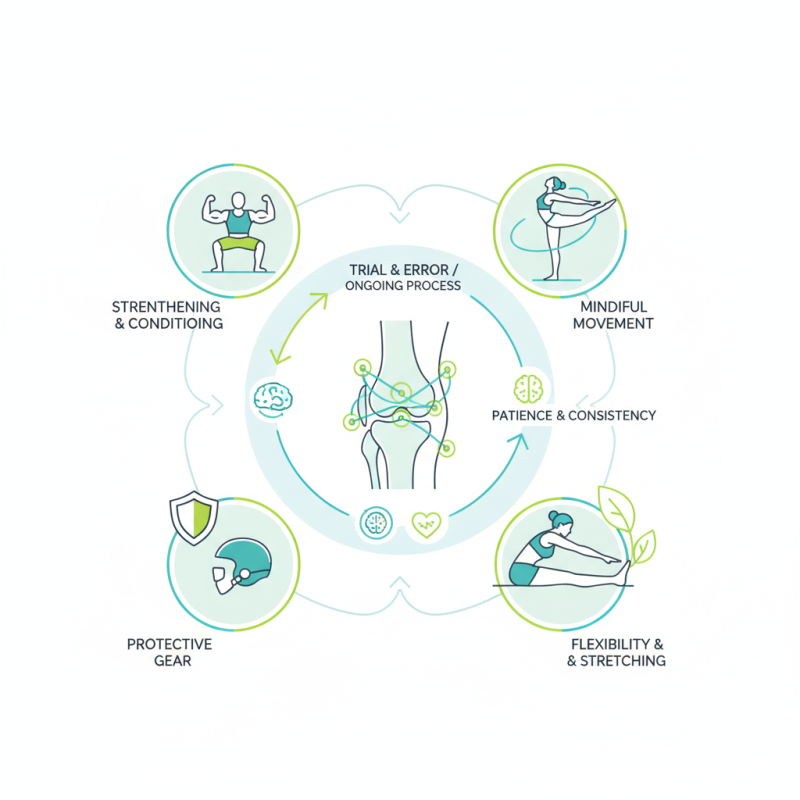
When considering how to stabilize joints without restricting movement, various techniques come into play. Proper strengthening and conditioning exercises can enhance stability. Meanwhile, mindful movements during activities are essential. Using the right protective gear can also aid in preventing injuries during high-impact sports.

Emphasizing flexibility is equally important. Stretching the muscles around joints keeps them limber. This approach may seem simple, yet it requires patience and consistency. Navigating this journey involves trial and error, reflecting on each strategy's effectiveness. Thus, understanding how to stabilize joints without restricting movement is an ongoing process, rather than a one-time solution.
How to Stabilize Joints Without Restricting Movement Tips?

Understanding Joint Stability and Its Importance for Movement

Joint stability plays a crucial role in ensuring efficient movement. A stable joint can better withstand physical stresses, reducing the risk of injuries. According to a study by the Journal of Biomechanics, over 60% of athletic injuries are linked to joint instability. Understanding the interplay between stability and mobility can lead to improved performance and longevity in physical activities.


Maintaining joint stability without limiting movement requires strategic approaches. Incorporating strength training can enhance the muscles around the joint, providing external support. Regular flexibility exercises promote a balanced range of motion. For instance, practicing yoga can improve both stability and flexibility, helping to create a more resilient joint structure.


Tips to enhance joint stability include focusing on core strength. A strong core supports overall body alignment. Engaging in balance exercises, such as single-leg stands, also helps to build stability. Pay attention to your body’s signals. Pain or discomfort could indicate a need for more focused strength training or adjustments in your routine. Reflecting on your movement patterns can also provide insight into areas needing improvement.

Key Techniques for Stabilizing Joints Without Limiting Flexibility

Maintaining joint stability while allowing freedom of movement is essential for active lifestyles. Techniques such as proprioceptive training can enhance joint awareness. Engaging in exercises that focus on balance and coordination helps strengthen the muscles around the joints. Simple activities, like standing on one leg or using a balance board, can be very effective. These activities build the small stabilizing muscles that often get neglected.

Another key approach is flexibility training. Incorporating stretches can improve overall joint function without sacrificing range of motion. Dynamic stretches, such as leg swings or arm circles, keep the joints nimble. Many people overlook the importance of gradual progress. Pushing too hard can lead to injuries, reminding us of the need for patience and mindfulness. Consider this: incorporating a rest day may actually promote better joint health.

Finally, integrating resistance training can provide significant benefits. Bodyweight exercises or resistance bands allow for strengthening without excessive strain. It's crucial to focus on form over weight. Sometimes, reflection on daily movements can uncover imbalances that need correction. Adjustments in how we move can yield profound improvements over time. The journey toward joint stability is ongoing, filled with opportunities for learning and growth.

Joint Stability Techniques vs. Flexibility Limitations

This chart illustrates various techniques for stabilizing joints while maintaining optimal flexibility. The effectiveness of each technique is rated on a scale from 0 to 100%, highlighting the balance between stability and movement.

Exercises to Enhance Joint Stability While Maintaining Range of Motion

Joint stability is essential for overall movement and function. Strengthening the muscles around joints can enhance stability while maintaining mobility. Various exercises can help achieve this balance effectively.

One effective method is to incorporate low-impact strength training. Exercises such as squats and lunges engage multiple muscle groups. A study published in the "Journal of Rehabilitation Research" found that resistance training improved knee joint stability by 25% among participants. Additionally, incorporating core-strengthening exercises like planks can support spinal stability, benefiting overall joint function.

Balance training is equally important. Activities such as single-leg stands and proprioceptive exercises strengthen the small stabilizing muscles around joints. Research published by the American College of Sports Medicine emphasizes that balance training can reduce the risk of falls by up to 50% in older adults. These methods not only enhance joint stability but also promote a greater range of motion. Remember, it’s crucial to listen to your body. Push yourself, but be aware of discomfort. This reflection on your limits is key to long-term success.

The Role of Supportive Gear in Joint Stabilization Practices

Supportive gear plays a crucial role in joint stabilization. It ensures that joints remain stable while allowing for fluid movement. Use of braces or supports can provide essential compression. This reduces swelling and discomfort during physical activities.

Choosing the right supportive gear can be tricky. Many options are available, and not all provide adequate support. It's important to test different types to find what works for you. Some might restrict movement more than desired. Others can be too loose, failing to provide necessary support. Personal experience can guide these choices.

Checking for proper fit is vital. An ill-fitting brace can lead to more issues. Awareness of body signals is essential; pain might indicate improper use. Regularly assessing comfort and mobility is beneficial. Reflect on how the gear affects overall joint health. Finding balance is often a trial-and-error process. Understanding these factors can lead to better joint management.

Lifestyle Adjustments for Improved Joint Health and Mobility

Joint health is essential for mobility, especially as we age. Many adults experience joint pain or stiffness, with studies showing that nearly 25% of adults over 65 report joint-related issues. Lifestyle adjustments can play a crucial role in stabilizing joints without limiting their movement.

Incorporating regular, low-impact exercises can significantly improve joint health. Activities like swimming and cycling reduce stress on the joints while keeping them mobile. Stretching and balance exercises are also beneficial. They enhance flexibility and help maintain a full range of motion. Experts recommend aiming for at least 150 minutes of moderate exercise weekly. This includes simple strength training to support the muscles around your joints.

Consider your diet carefully. Eating anti-inflammatory foods, such as leafy greens, nuts, and fatty fish, can bolster joint health. Staying hydrated is equally important. Water helps maintain joint lubrication. Supplements like omega-3 fatty acids may also support joint function, but always consult a healthcare professional before starting any new regimen.

Tip: Maintain a healthy weight. Excess weight increases stress on weight-bearing joints, leading to greater discomfort. Regular check-ups with healthcare providers also ensure your joints are on the right track. Continuous monitoring can reveal potential issues before they escalate. Prioritize your joint health, and it will lead to improved mobility and overall well-being.

FAQS

: What is the importance of joint stability?

: Joint stability is crucial for efficient movement. It helps withstand physical stress and reduces injury risk.

How can I maintain joint stability?

Incorporate strength training to enhance muscles around joints. Regular flexibility exercises are also beneficial.

What are some effective exercises for joint stability?

Balance exercises like single-leg stands and routine activities on a balance board improve muscle strength around joints.

Why is core strength important for joint stability?

A strong core supports overall body alignment, contributing to better joint stability and efficient movement patterns.

How can flexibility training help joint stability?

Flexibility training improves joint function while maintaining a range of motion. Dynamic stretches keep joints nimble.

What should I listen for when exercising?

Pay attention to pain or discomfort. It might suggest a need for adjusted strength training or movement techniques.

Is it important to progress gradually in my training?

Yes, pushing too hard can lead to injuries. Mindfulness and patience are essential for long-term joint health.

How can I improve my balance for joint stability?

Simple activities like standing on one leg or using a balance board can enhance balance and stability effectively.

Where might I find imbalances in my movements?

Reflecting on daily movements may reveal imbalances. Small adjustments can lead to significant improvements over time.

What role do rest days play in joint health?

Incorporating rest days can promote better joint health and contribute to recovery, which is often overlooked.

Conclusion

In the quest to learn how to stabilize joints without restricting movement, it is crucial to understand the importance of joint stability for optimal mobility. Joint stability allows for improved performance in daily activities and enhances athletic abilities while preventing injuries. Key techniques include engaging in strength training that focuses on the muscles supporting the joints, using proper body mechanics, and incorporating balance exercises to promote stability without limiting range of motion.

Additionally, specific exercises can be employed to enhance joint stability while maintaining flexibility, such as dynamic stretches and controlled movements. Supportive gear, such as braces or wraps, can also play a significant role in providing additional stability during physical activities. Lastly, lifestyle adjustments, like maintaining a healthy weight, staying hydrated, and consuming a balanced diet rich in nutrients, are essential for overall joint health and mobility. By integrating these strategies, individuals can effectively stabilize their joints without compromising their movement abilities.

Mason

Mason

Mason is a seasoned marketing professional with a deep expertise in the company's offerings and a passion for driving brand awareness. With a strong background in digital marketing strategies, he has an innate ability to connect with diverse audiences and effectively communicate product benefits.......