Heavy lifting can be daunting. Many people face challenges related to muscle support. Understanding how to support muscles during heavy lifting is essential for achieving optimal results. A well-structured approach can enhance performance and prevent injuries.
Muscles need proper care when engaging in intense workouts. Insufficient support can lead to fatigue and strain. It's crucial to explore techniques such as bracing and engaging core muscles. Nutrition also plays a role in muscle recovery. Incorporating protein-rich foods can help repair and strengthen muscles.
Listening to your body is vital. Everyone responds differently to heavy lifting. Some may struggle with form or experience discomfort. Documenting personal experiences can identify patterns and areas for improvement. Embracing these challenges fosters growth and resilience, both physically and mentally.
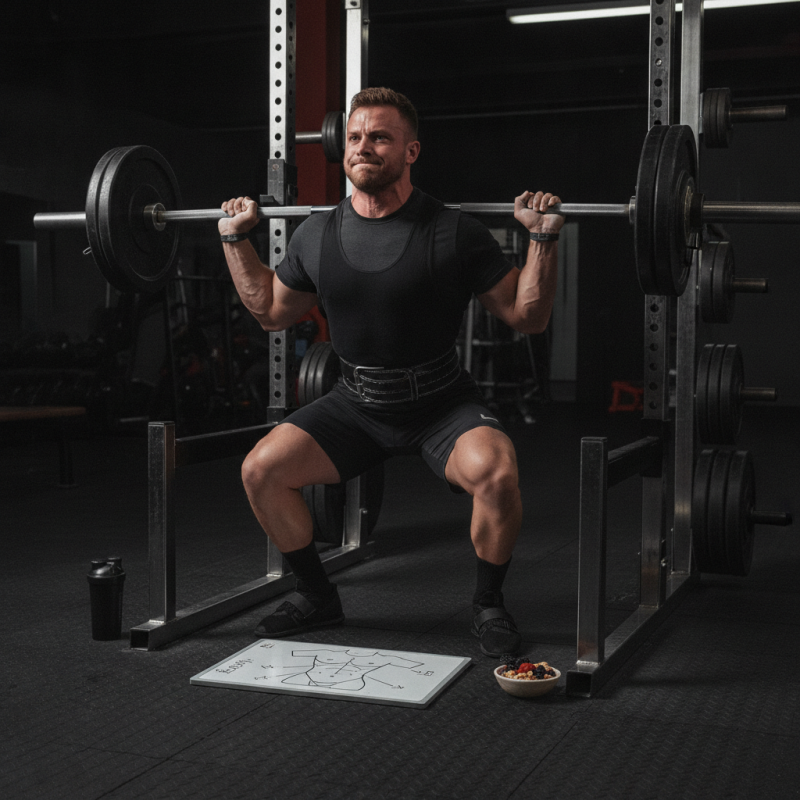
Understanding muscle physiology is crucial for anyone engaged in heavy lifting. Muscles are composed of fibers that contract to produce force. When lifting heavy loads, these fibers experience micro-tears. This process is essential for muscle growth, but it also requires adequate recovery. If not managed correctly, it can lead to injury and diminish performance.
To support muscle function during heavy lifting, focus on proper nutrition. Protein intake plays a vital role in muscle repair and growth. Incorporating carbohydrates can provide the necessary energy. Adequate hydration is equally important, as it helps maintain muscle performance. Additionally, consider the importance of rest. Sleep allows muscles to recover and rebuild efficiently.
Understanding how muscles work can lead to better lifting techniques. Maintain proper form to avoid strain. Listen to your body when you feel fatigue. Pushing too hard may lead to injuries. Observing these signs can promote long-term success in your lifting journey. Make adjustments as needed to continue progressing safely.
| Muscle Group | Recommended Exercises | Support Techniques | Nutritional Considerations |
|---|---|---|---|
| Chest | Bench Press, Push-Ups | Proper Form, Spotting | Protein Intake, Creatine |
| Back | Deadlifts, Pull-Ups | Core Engagement, Rest | BCAAs, Hydration |
| Legs | Squats, Lunges | Knee and Hip Support, Warm-Up | Carbohydrates, Electrolytes |
| Shoulders | Shoulder Press, Lateral Raises | Use of Belts, Mobility Work | Healthy Fats, Vitamins |
| Arms | Bicep Curls, Tricep Extensions | Focused Breathing, Symmetry | Protein Shakes, Recovery Foods |
: Proper nutrition enhances strength and recovery by providing essential protein and nutrients necessary for muscle synthesis.
Aim for 1.6 to 2.2 grams of protein per kilogram of body weight. This supports optimal muscle development.
Hydration aids in muscle function since about 70% of muscle composition is water. Staying hydrated is crucial.
Even mild dehydration can reduce strength and endurance, impairing overall lifting performance.
Aim for at least 3 liters of water each day to enhance your lifting capabilities and maintain hydration.
Electrolytes like sodium and potassium help maintain fluid balance. They are crucial for muscle contractions and performance.
Focus on your posture. Keep feet shoulder-width apart and maintain a straight back to evenly distribute weight.
Natural breathing patterns prevent fatigue and improve performance. Exhale during exertion and inhale while lowering weights.
Prioritize quality over quantity. Rushing can lead to poor form and injuries. Reflect on your techniques regularly.
Pushing too hard can lead to mistakes. Always listen to your body and adjust your approach as needed.
In the pursuit of maximizing results during strength training, understanding how to support muscles during heavy lifting is crucial. This involves a multifaceted approach that begins with a solid foundation of muscle physiology, emphasizing the importance of muscles' roles in lifting. Proper warm-up techniques are essential to prevent injury and prepare the body for strenuous activity. Nutrition and hydration are equally important, as fueling the body effectively can enhance performance and endurance.
Moreover, utilizing proper form and technique is vital to ensure that the muscles are engaged effectively, thereby maximizing results and minimizing the risk of strain. Finally, incorporating recovery strategies, including rest and rehabilitation, is essential for muscle growth and repair. By combining these elements, individuals can significantly enhance their lifting performance and achieve their fitness goals.

 Morfit Tape