10 Tips for Wrapping a Knee Injury Effectively?

Time:2026-04-03 Author:Amelia
0%

Injuries to the knee can be painful and challenging to manage. Proper wrapping is crucial for support and protection. Many wonder, what is the best way to wrap a knee injury? The right technique can enhance recovery and prevent further damage.

Understanding the best practices for wrapping a knee is essential. A well-wrapped knee can reduce swelling and provide stability. Yet, the technique can vary based on the severity of the injury. Some methods may be more effective than others, and it’s important to seek reliable advice.

It’s easy to feel overwhelmed when dealing with an injury. The range of products and methods available can be confusing. However, learning effective wrapping techniques is valuable. This knowledge empowers you to take control of your recovery process. Always remember to listen to your body and seek professional guidance if needed.
10 Tips for Wrapping a Knee Injury Effectively?

Understanding the Importance of Proper Knee Wrapping Techniques

Wrapping a knee injury properly is crucial for optimal recovery. Studies show that incorrect wrapping techniques can lead to complications. For example, a report from the Journal of Sports Medicine highlighted that improper support can prolong healing time by 30%. It's vital to use the correct amount of pressure. Too much can restrict blood flow, while too little fails to provide support.

Understanding the anatomy of the knee helps in applying the right techniques. The knee has ligaments, tendons, and cartilage, all of which need protection when injured. A study published in The American Journal of Physical Medicine & Rehabilitation suggests that effective wrapping can reduce swelling by 50% in some cases. Focus on keeping the knee joint stable and ensuring that the wrap covers both above and below the injury site.

Mentorship from a trained professional can enhance wrapping skills. Engaging with physical therapists can provide additional insights into individual needs. Sometimes, common mistakes include wrapping too tightly around the patella or leaving gaps. Aiming for a snug fit while maintaining comfort is essential. This careful balance can significantly influence recovery speed and effectiveness.

Gathering Necessary Materials for Knee Wrapping

When preparing to wrap a knee injury, gathering the right materials is essential. You will need a few basic items. Start with a roll of elastic bandage. It’s flexible and offers support. You also need sterile gauze pads. These will protect any open wounds. Scissors are crucial for cutting the bandage to the right length. A clean cloth can help wipe away any debris.

Consider your environment as well. Make sure to have a clean workspace. A cluttered area can lead to injury or mistakes. It may seem minor, but every detail counts. Take the time to inspect your materials. Check the bandage for any tears. If it’s not intact, it won't provide the support your knee needs.

Being organized can help reduce stress during the process. Lay out all your materials before starting. This small act can prevent frustration later on. Reflect on how each item aids in the wrapping procedure. If something feels off, don't hesitate to adjust your approach. Proper preparation can make a significant difference in your recovery time.

Step-by-Step Guide to Wrapping a Knee Injury Effectively

Wrapping a knee injury effectively is crucial for proper support and healing. To begin, gather the right materials, such as a compression bandage and scissors. Ensure your hands are clean before starting. Sit in a comfortable position with the injured leg elevated. This reduces swelling and provides better access to the knee.

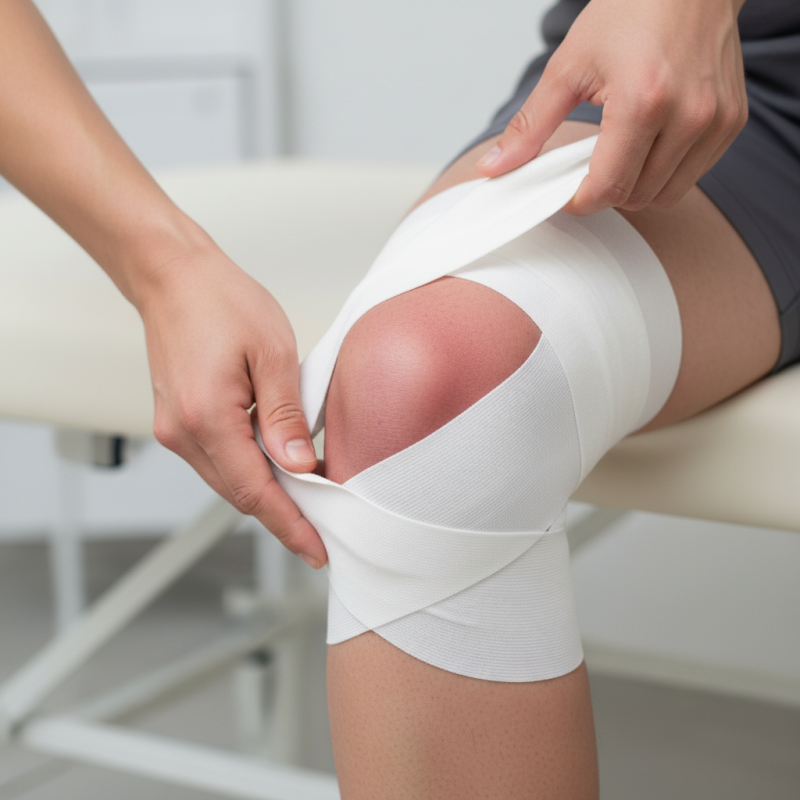
Start the wrap just below the kneecap, creating a solid base. Use consistent pressure without cutting off circulation. Wrap the bandage around the knee in a figure-eight pattern. This technique stabilizes the joint. Be mindful of the amount of tension—too tight can be harmful, while too loose won’t provide adequate support. Finish the wrap just above the knee, securing it without causing discomfort.

After wrapping, it’s vital to monitor for signs of swelling or numbness. You can adjust the wrap if necessary. Keep the knee elevated and apply ice for 15-20 minutes every hour. Remember, the goal is support and protection. Reflect on your wrapping technique regularly. Improving your skills leads to better care of the injury and shorter recovery time.

Common Mistakes to Avoid When Wrapping a Knee

Wrapping a knee injury requires certain skills and knowledge. Common mistakes can lead to improper support, worsening the injury. One common error is wrapping too tightly. This can restrict blood flow and cause swelling. If the toes begin to change color or feel numb, it’s time to loosen the wrap.

Another mistake is neglecting to clean the injury site. Before applying any wrapping, ensure the skin is clean and dry. This helps prevent infection. Some people use too much material while others use too little. Finding the right balance is key. Too much can cause bulkiness, while too little may not provide adequate support.

Additionally, skipping the compression phase is a frequent oversight. Proper compression helps with swelling and provides stability. Just remember that the wrap should be snug, but not painful. Often, individuals may rush through the process. Taking time to do it correctly is vital for effective healing. Proper technique can dramatically influence recovery time and comfort.

When to Seek Professional Help for Knee Injuries

Knee injuries can escalate quickly. Seeking professional help is crucial. If you experience severe pain, swelling, or inability to bear weight, it’s time to see a doctor. Ignoring these symptoms can lead to chronic issues. A healthcare professional can assess the injury and recommend appropriate treatment.

Watch for signs like persistent pain or instability in the knee. If range of motion decreases, don’t wait. Early diagnosis is essential for effective healing. Imaging tests, like MRIs, may be necessary to understand the extent of the injury. In some cases, physical therapy is a must, even if the pain seems manageable.

Don’t hesitate when in doubt. Contact a specialist if symptoms worsen. Self-care is important, but it has its limits. Mistakes can happen, like assuming a sprain is minor. Regular check-ups can help prevent future issues. Trust your instincts and prioritize your knee health.

10 Tips for Wrapping a Knee Injury Effectively

This chart illustrates the effectiveness of various methods for wrapping a knee injury, based on a survey of patients who experienced knee injuries.

FAQS

: Why is proper knee wrapping important?

: Proper wrapping is crucial for recovery. It helps stabilize the knee and reduces healing time.

What can happen if I wrap my knee too tightly?

Wrapping too tightly can restrict blood flow. This may cause swelling and numbness in your toes.

How can I ensure my knee remains clean before wrapping?

Always clean and dry the injury site. This prevents infection during the healing process.

What's a common mistake when wrapping the knee?

Leaving gaps or wrapping too loosely can provide inadequate support. Aim for a snug fit.

How should I know if my wrapping is appropriate?

If the wrap is causing pain or discomfort, it’s likely too tight. Adjust it for comfort.

Why engage a professional for wrapping advice?

A trained professional can offer personalized techniques. Their guidance can prevent common mistakes.

How does effective wrapping reduce swelling?

Proper compression during wrapping can reduce swelling by up to 50%. Stability is essential for recovery.

Can I use too much material when wrapping?

Yes, using too much material can create bulkiness. Find the right balance for effective support.

What’s the effect of rushing the wrapping process?

Rushing can lead to improper technique, increasing recovery time. Take your time for the best results.

How should I manage my knee after wrapping?

Monitor for any changes, like color or numbness. Loosen the wrap if you notice any issues.

Conclusion

Wrapping a knee injury effectively is crucial for promoting healing and providing support. Understanding the importance of proper knee wrapping techniques is the first step, as it can significantly impact recovery time and pain management. To wrap a knee injury effectively, gather the necessary materials such as elastic bandages and padding. Following a step-by-step guide ensures that the wrap is secure yet comfortable, allowing for mobility without hindering circulation.

While wrapping, it’s essential to avoid common mistakes, such as wrapping too tightly or applying the bandage incorrectly, as these can exacerbate the injury. Ultimately, if the injury does not improve or worsens, it is important to seek professional help. So, what is the best way to wrap a knee injury? It involves a combination of proper technique, the right materials, and awareness of your body's response to the wrap.

Amelia

Amelia

Amelia is a seasoned marketing professional with a wealth of expertise in our company’s core offerings. With an unwavering passion for driving growth and innovation, she plays a pivotal role in shaping our marketing strategies and enhancing brand visibility. A key aspect of her responsibilities......