Top Tips to Reduce Swelling After an Injury Fast

Time:2026-05-13 Author:Charlotte
0%

Injuries can happen unexpectedly, leaving us with painful swelling. Understanding how to reduce swelling after an injury is crucial for a quick recovery. According to Dr. Emily Carter, a renowned physiotherapist, “Swelling is a natural response to injury, but managing it effectively can make a significant difference.”

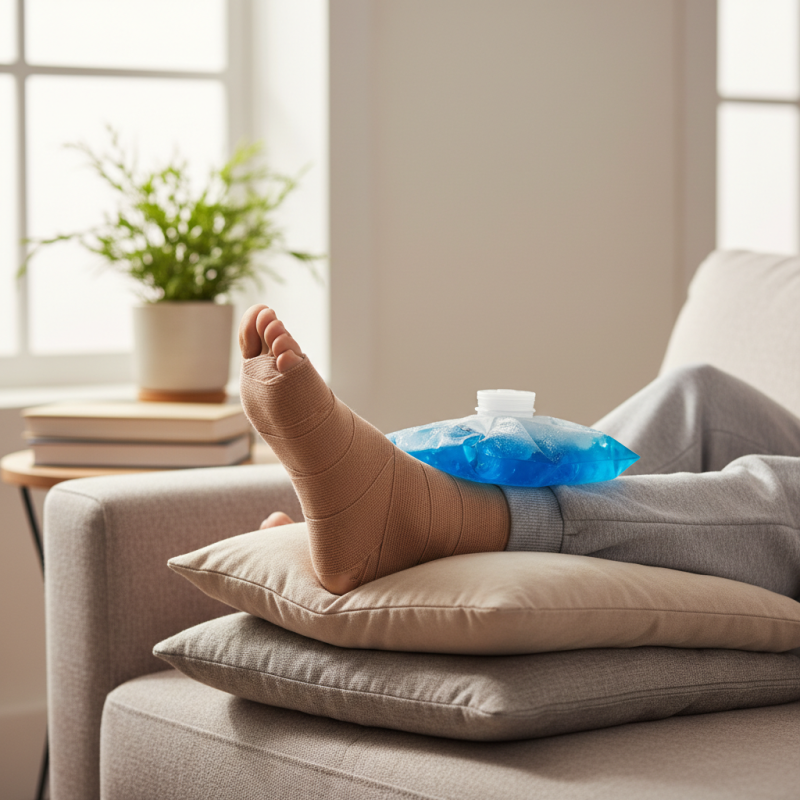
Reducing swelling quickly can alleviate pain and restore mobility. Effective measures include elevation, ice application, and compression. Ice reduces blood flow and decreases inflammation. Elevating the injured area helps fluid drain away. Compression with a bandage can provide stability and support.

Despite these strategies, it's important to understand that everyone's body responds differently. Not every method works for every individual. This variability requires patience and sometimes professional advice. Regular check-ins with a healthcare provider will ensure the recovery process is on track and tailored to your unique needs.
Top Tips to Reduce Swelling After an Injury Fast

Understanding Swelling: Cause and Impact of Injuries

Swelling is a natural response to injury. It occurs as the body sends fluid and immune cells to the damaged area. This process is crucial for healing, but excessive swelling can hinder recovery and cause discomfort. Understanding the cause helps in managing it effectively. Injuries like sprains or fractures trigger inflammation. This can lead to pain and decreased mobility. Timely intervention can significantly reduce these effects.

To address swelling, consider applying ice. This reduces blood flow to the area, minimizing swelling. Use a cloth to prevent frostbite. Aim for 20 minutes every hour. Compression can also help. Wrapping the injury with a bandage supports the area while reducing puffiness. Make sure it's snug but not too tight. Elevating the injury above heart level can enhance circulation and decrease fluid buildup.

Monitor the swelling regularly. If it worsens, seek professional help. Ignoring persistent swelling may indicate a more serious issue. Healing takes time. Be patient and give your body the care it needs. Prioritizing rest is critical for recovery. Adjust daily activities to avoid strain on the injured area. Take each step with mindfulness.

Immediate Steps to Take After an Injury to Control Swelling

Swelling often follows an injury, and managing it quickly can significantly aid recovery. According to a study published in the Journal of Orthopaedic Trauma, effective immediate care can reduce swelling by 30% within the first 48 hours. Ice application is one of the best immediate steps. Applying ice for 15 to 20 minutes can constrict blood vessels, limiting fluid buildup in affected areas. Make sure to use a cloth to avoid frostbite on the skin.

Elevation plays a crucial role too. Elevating the injured area above heart level can help gravity in reducing swelling. A report from the American Academy of Orthopaedic Surgeons emphasizes that keeping the limb elevated for the first few hours after the injury can result in a noticeable decrease in swelling. Compression with a bandage can also prevent swelling by supporting the injured area. However, be mindful not to wrap it too tightly, as that could restrict blood flow.

Monitoring the injury is important. If swelling continues or worsens after initial treatment, seeking medical advice is critical. A 2019 survey indicated that over 50% of individuals underestimate the importance of following up on injuries. Ignoring signals from your body can lead to complications. Listening to your body can help you make informed decisions about further treatment.

Effective Home Remedies to Reduce Swelling Fast

Swelling after an injury can be frustrating. Thankfully, there are effective home remedies that can help reduce inflammation quickly. Ice packs are a classic choice. Applying a cold compress for 15-20 minutes can numb pain and constrict blood vessels. This simple method can significantly reduce swelling without hassle.

Elevation also plays a critical role. Keeping the injured area above heart level encourages fluid drainage. Use pillows or cushions to prop up the injury. It might be a bit uncomfortable at first, but it’s worth the effort. Additionally, staying hydrated works wonders. Drinking ample water helps flush out toxins and supports healing.

Herbal remedies like turmeric and ginger are known for their anti-inflammatory properties. You can prepare a ginger tea to soothe the body from the inside. One of the trickiest aspects of recovery is patience. Sometimes, remedies take time to show effects. A balance between rest and gentle movement is key to healing. Each body responds differently, so being mindful of your progress is essential.

Utilizing Ice and Compression: Techniques for Optimal Results

When you sustain an injury, prompt care is crucial. Ice and compression play vital roles in reducing swelling effectively. Applying ice helps constrict blood vessels, minimizing blood flow to the injured area. This immediate response can limit swelling and alleviate pain. Use an ice pack wrapped in cloth for 15-20 minutes. Avoid direct contact with the skin to prevent frostbite.

Compression complements icing. Using a compression bandage can support the injured area. It reduces swelling by applying consistent pressure. Wrap the bandage snugly but not too tight. You should still be able to move your fingers or toes. Monitor for signs of excessive tightness, which can be uncomfortable or harmful.

These techniques are not foolproof. Different injuries respond differently. Some swelling may persist despite immediate action. It's important to listen to your body. If swelling continues or worsens, seek professional guidance. Every injury is unique, and recovery may require adjustments to your approach.

Top Tips to Reduce Swelling After an Injury Fast

When to Seek Medical Advice for Severe Swelling After an Injury

Swelling after an injury can be concerning. It’s not always easy to know when to seek medical help. Severe swelling, especially if accompanied by intense pain, numbness, or a visible deformity, requires immediate attention. If the swelling worsens over time, or if there's a fever, contact a healthcare professional right away. These can be signs of complications that need treatment.

To help manage mild swelling at home, consider some effective tips. Elevating the injured area can reduce blood flow and help minimize swelling. Applying ice packs for 15 to 20 minutes several times a day can also provide relief. Compression by using an elastic bandage can help support the area and control swelling. However, maintain a balance; too much pressure can worsen circulation.

Despite these tips, it's important to listen to your body. If swelling does not improve within a few days, see a doctor. Don't ignore persistent symptoms, as they can indicate a more serious issue. Always err on the side of caution, especially with injuries that affect mobility or range of motion.

FAQS

: What is a good immediate step to take after an injury?

: Applying ice is effective. Use it for 15 to 20 minutes to limit swelling.

How does elevation help reduce swelling?

Elevating the injured area above heart level encourages gravity to minimize swelling.

Is compression useful for swollen injuries?

Yes, gentle compression can support the area and reduce swelling. Avoid wrapping too tightly.

When should I seek medical help for swelling?

Seek help if swelling worsens or if you experience intense pain, numbness, or a deformity.

How often should I apply ice to manage swelling?

Ice packs should be applied several times a day for 15 to 20 minutes each time.

What if the swelling does not improve after a few days?

If swelling persists, it’s crucial to see a doctor. Do not ignore ongoing symptoms.

Can ignoring swelling lead to problems?

Yes, ignoring swelling can result in serious complications. Listen to your body’s signals.

How do I know if compression is too tight?

If you feel pain or numbness, the bandage may be too tight. Adjust it immediately.

Conclusion

Swelling is a common response to injuries and understanding its causes and effects is essential for effective recovery. To learn how to reduce swelling after an injury, immediate steps are critical, including rest, elevation, and applying ice. These techniques help control the inflammatory response and minimize pain.

In addition to initial care, several home remedies can further aid in fast recovery. Utilization of ice packs and compression methods can enhance results by constricting blood vessels and reducing fluid buildup. However, if swelling persists or intensifies, it is important to seek medical advice to rule out more serious complications. Implementing these strategies can significantly expedite the healing process and improve comfort after an injury.

Charlotte

Charlotte

Charlotte is a seasoned marketing professional with a deep understanding of the company's portfolio and a passion for elevating its presence in the market. With a keen eye for detail and a commitment to excellence, she ensures that our professional blog is regularly updated with insightful articles......