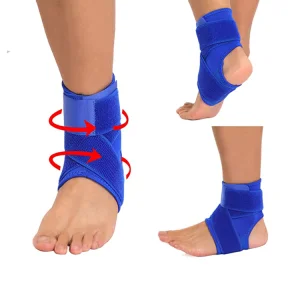
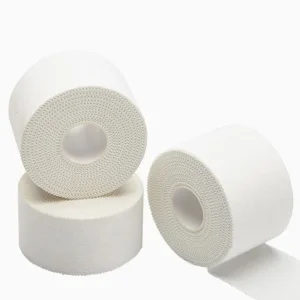
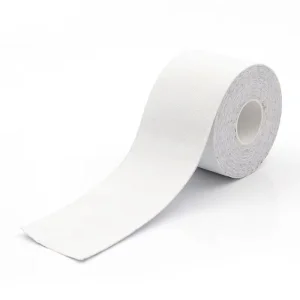
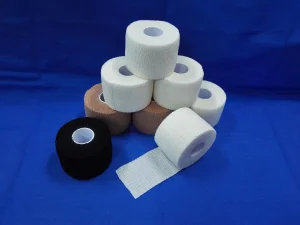
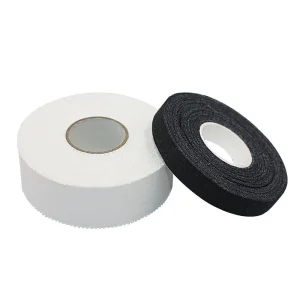
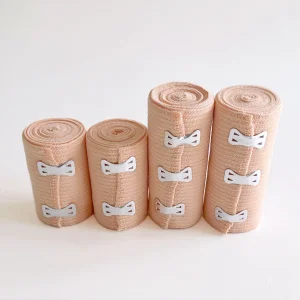
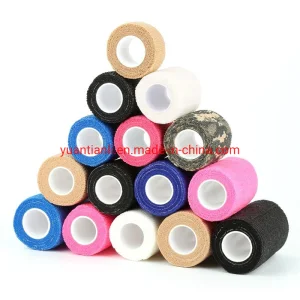
In modern sports medicine, athletic training, and orthopedic rehabilitation, the utilization of pressure-sensitive adhesive tapes has transcended simple mechanical stabilization. Today, the leading edge of performance enhancement and injury prevention is defined by Viscoelastic Sports Tape. Unlike standard rigid cotton tapes that lock joint motion entirely, viscoelastic systems exploit the rheological properties of specialized elastomeric fibers and advanced adhesive formulations. This unique synthesis allows the tape to exhibit both viscous (time-dependent, dampening) and elastic (force-dependent, energy-returning) properties under mechanical load.
As global sourcing standards elevate, international procurement agencies, clinical organizations, and brand distributors are looking beyond commodity products. They demand advanced medical-grade viscoelastic tapes engineered to withstand high dynamic stress, sweat, and varying thermal environments, all while maintaining biocompatibility. This white paper serves as an in-depth reference for sourcing executives evaluating China's elite manufacturing capabilities in viscoelastic sports tapes, rehabilitation wraps, and medical-grade adhesive technologies.
To understand the performance criteria of premium viscoelastic sports tapes, one must analyze the chemistry of their constituent layers. The modern sports tape is an intricate laminate composed of three fundamental layers:
Using premium cotton combed yarns or high-density rayon-synthetic blends, our tapes ensure directional mechanical control. Warp threads are woven to provide longitudinal elasticity (ranging from 130% to 180%), while weft threads are kept rigid to prevent lateral deformation, maintaining localized tissue pressure.
We implement medical-grade copolymer acrylic pressure-sensitive adhesives (PSAs). Our micro-formulation control matches the surface energy of human skin. This results in minimal initial peel adhesion rise, mitigating dermal trauma during removal while preserving high-shear holding power.
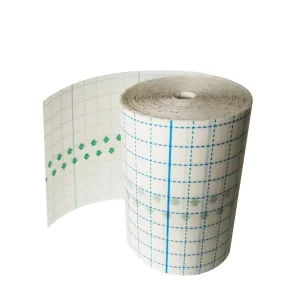
Silicone-coated release paper prevents premature adhesive activation and maintains structural alignment. Integrated pre-cut gridlines allow for high-precision custom clinic dosing and localized biomechanical taping patterns.
Crucial to the effectiveness of these tapes is the wave-pattern adhesive coating. By applying the acrylic adhesive in a sinusoidal pattern rather than a solid sheet, the tape leaves gaps for sweat and moisture dissipation. This matches the skin's moisture release pathways and reduces maceration risk, supporting up to 5 days of multi-environment application.
As global sports brands and clinical suppliers scale their distribution, the stability and quality of the upstream supply chain are critical. Dongguan, China, stands as the global hub for advanced medical tape extrusion, coating, and converting technologies.
Among these industry leaders, Dongguan Morfit Tape Co., Ltd. is a specialized manufacturer in the field of sports injury support solutions, dedicated to delivering high-performance athletic taping and compression systems for global markets. With a strong foundation in advanced material engineering and precision coating technology, Morfit focuses on developing reliable products that enhance joint stability, muscle support, and injury prevention.
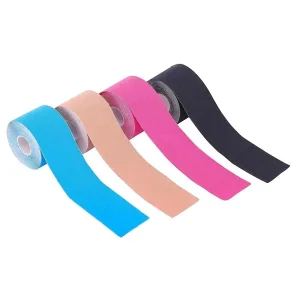
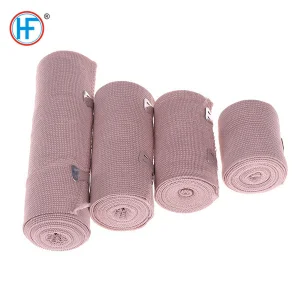
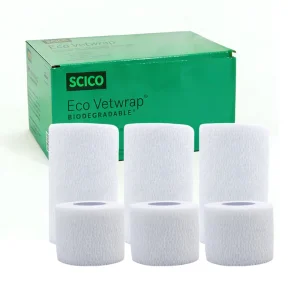
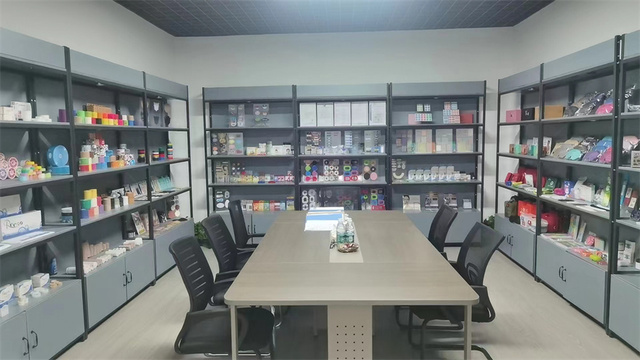
Our core product range includes kinesiology tapes, cohesive bandages, elastic adhesive bandages, rigid sports tapes, and a full line of rehabilitation support supplies. Designed for athletes, physiotherapists, and medical professionals, our solutions combine durability, breathability, and skin-friendly adhesion to ensure optimal comfort and performance in demanding conditions.
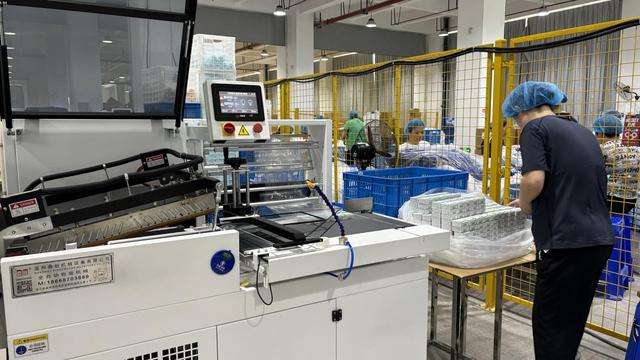
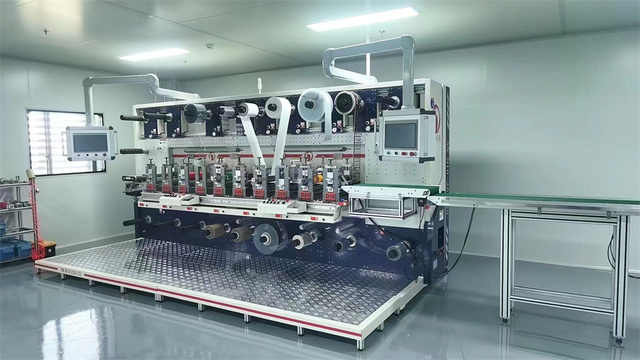
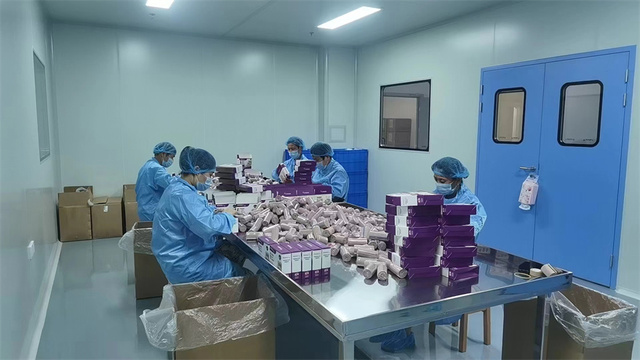
Morfit operates modern production facilities in Dongguan, equipped with automated coating lines and strict quality control systems that comply with international standards. We support OEM and private label services, offering flexible customization in materials, sizes, colors, and packaging to meet diverse market needs. Driven by innovation and customer-centric values, Dongguan Morfit Tape Co., Ltd. continues to expand its global footprint, providing trusted sports medical solutions that help people move better, recover faster, and perform at their best.




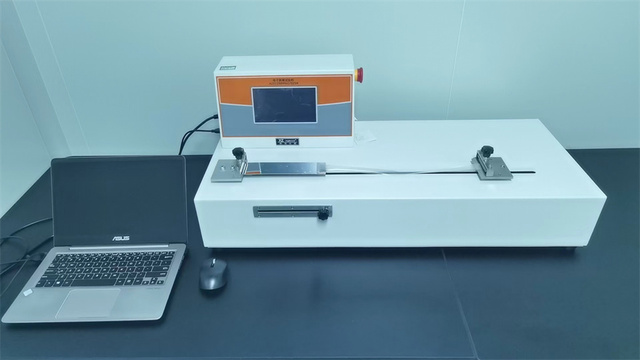
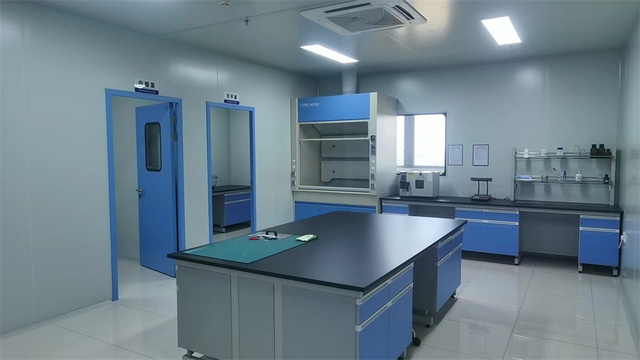
Entering premium retail networks and clinical ecosystems in regions like the European Union, United States, and Japan requires adhering to strict medical device standards. In the EU, sports tapes fall under class I medical devices and must satisfy the Medical Device Regulation (MDR 2017/745). In the US, compliance involves registration with the FDA as a Class I device, subject to 21 CFR Part 820 Quality System Regulations.
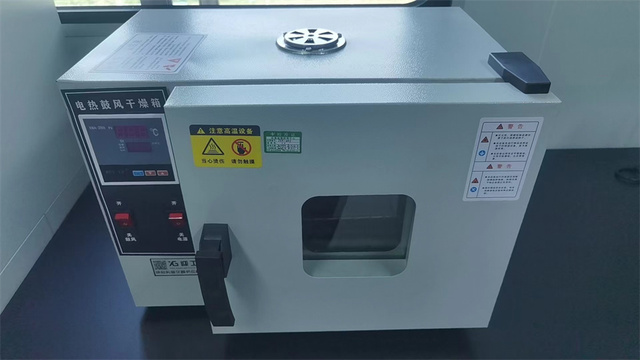
By conducting these comprehensive tests, Dongguan Morfit provides global distributors with verified data sheets, minimizing regulatory hold-ups at international border crossings and securing placement on major clinical procurement channels.
For international buyers, product customization goes beyond a simple logo print. It involves structural engineering, packaging localization, and climate-resistant transit planning to maintain product freshness and brand equity. In humid and equatorial zones, improper adhesive storage can cause adhesive migration or reduce its stickiness. To protect product integrity, our team adapts packaging to the local climate:
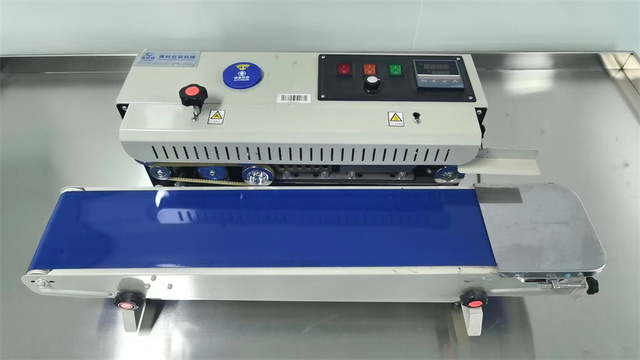
Individual rolls are heat-sealed in high-barrier polymer films or aluminum foil packets. This prevents moisture ingress and dry-out, ensuring that the adhesive properties remain stable throughout their shelf-life.
We offer customized display boxes, FSC-certified eco-friendly craft boxes, and multi-roll dispenser designs with clear localized regulatory languages, barcode standards (EAN/UPC), and step-by-step application instructions.
Standardized, drop-test-approved outer cartons are palletized using heavy-duty moisture protectors to guard against humidity and temperature swings in transit, securing consistency from our factory floor to your shelves.
Viscoelastic sports tapes are highly versatile medical tools. By varying the tension and shape during application, practitioners can target different anatomical layers and systems:
Primary Goal: Improve joint awareness and movement patterns.
Application: Tape applied with 15% to 25% tension stimulates the mechanoreceptors in the skin. This triggers a neuromuscular biofeedback loop that supports postural correction and enhances joint position awareness.
Primary Goal: Reduce swelling, bruising, and localized pain.
Application: Applied with 0% to 15% tension while target muscles are in a stretched position. As the tissue relaxes, the tape creates micro-folds in the skin, which helps lower pressure, encourages fluid flow, and eases pain.
Primary Goal: Support damaged ligaments and prevent over-extension.
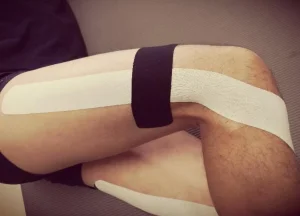
Application: Applied with 50% to 75% tension to stabilize joint structures (such as patellartracking or ankle stability) under heavy load, providing support without limiting natural mobility.
Find answers to common technical, manufacturing, and logistical questions about viscoelastic sports tapes.
 Morfit Tape