 Morfit Tape
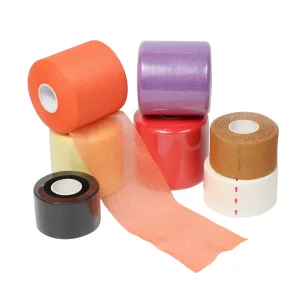
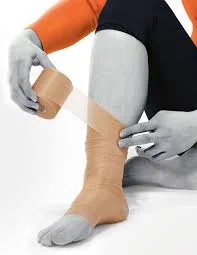
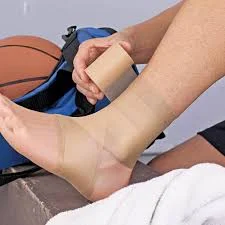
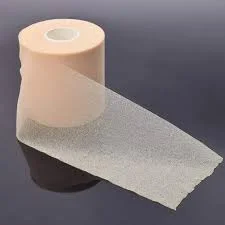
Foam underwrap — often called pre-wrap, pre-taping foam or PU foam underwrap — is the thin, porous substrate applied beneath rigid sports tape, elastic adhesive bandages and kinesiology tape. Its function is deceptively simple: protect skin, distribute pressure, manage moisture and improve adhesion retention. In a tropical Pacific setting such as Mulifanua, Samoa, that function becomes mission-critical. High humidity, salt-laden air, rugby-heavy sporting calendars and long ocean-freight lead times all converge to make underwrap quality and exporter reliability a strategic procurement decision — not a commodity afterthought.
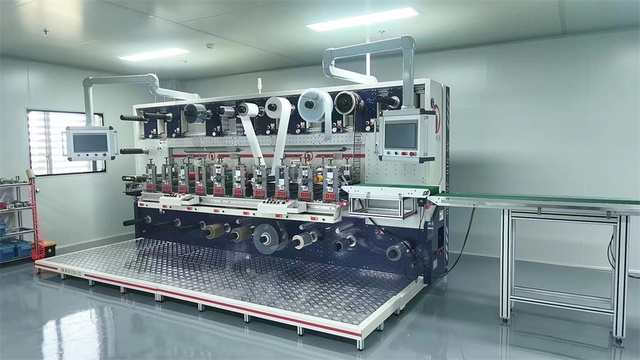
As a Foam Underwrap Exporter and Exporters serving the Mulifanua market, Dongguan Morfit Tape Co., Ltd. positions itself at the intersection of advanced material engineering, precision coating technology and localized export logistics. This brief translates that position into actionable procurement intelligence for buyers evaluating underwrap supply for Mulifanua and the broader Pacific island trade.
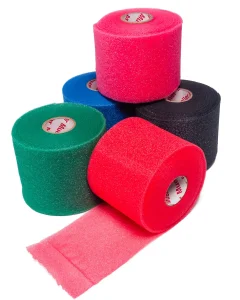
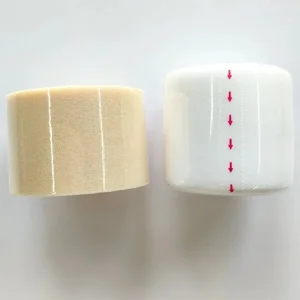
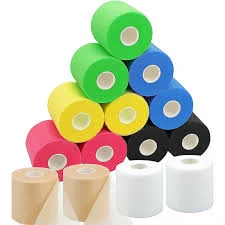
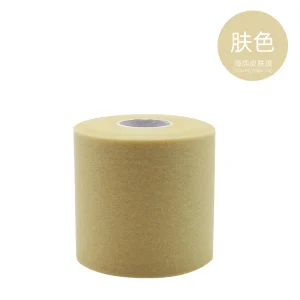
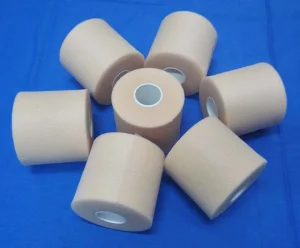
Four flagship configurations most frequently specified by Pacific sports-medical distributors, rugby club medics and clinic procurement teams operating out of Mulifanua.
Mulifanua sits on the northwestern coast of Upolu, Samoa — a gateway zone for ferry traffic between Upolu and Savai'i, and adjacent to Faleolo International Airport. That geography shapes procurement in specific, non-obvious ways. Sports-medical consumables, first-aid supplies, rugby strapping stock and clinic bandages often enter the country through Apia's port and move along the northwestern corridor. Distributors operating near Mulifanua therefore benefit from consolidation points that reduce double-handling of cartons and pallets.
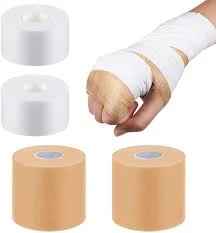
Samoa's economic fabric is dominated by rugby union, rugby league, sevens, netball and traditional village sports. Community clubs and school programmes are heavy year-round consumers of underwrap because coaches and volunteer medics pre-tape ankles, wrists, hands and knees for training and match-day. This is not a niche sports-medical demand; it is a mainstream, culturally embedded demand pattern.
Beyond sport, Mulifanua and the surrounding districts support light manufacturing, agri-processing (copra, cocoa, noni), tourism operators and maritime services. Each of these verticals buys foam underwrap for reasons that differ from athletics: pressure relief, tool-handle cushioning, guest first-aid kits, marine safety supplies, and general wound-protection under dressings. Understanding this dual demand — sport-driven and industry-driven — is the difference between a generic exporter and one worth a long-term contract.

The global foam underwrap category is not static. Three structural shifts are redrawing how Pacific buyers — including the Mulifanua market — should negotiate.
MDR CE, ISO 13485 and FDA-registration expectations have migrated from "nice to have" to "required to tender." Buyers specifying underwrap for clinics increasingly reject unmarked SKUs at the port of entry.
Latex-free, hypoallergenic PU foam formulations are displacing legacy latex pre-wrap in sensitive-skin and paediatric markets. Pacific distributors are following suit to reduce complaint rates.
Pacific importers increasingly transact through digital RFQ workflows. Exporters who surface structured product data, spec sheets and certifications online cut lead-time friction dramatically.
Single-SKU sea containers are uneconomical for island markets. Exporters offering mixed cartons of underwrap, tape and bandages within one shipment are capturing share.
Clubs, retail pharmacy chains and sports federations want branded underwrap. OEM flexibility on color, print and shelf-ready packaging is now a competitive lever.
Breathability, tensile strength and elongation percentages are becoming contract-line items rather than brochure claims. Buyers demand test data before approval.
Mulifanua distributors do not source in isolation. They bid for factory capacity alongside buyers from Australia, New Zealand, North America, the Middle East and Southeast Asia. Understanding what those competing buyers require clarifies where a Pacific importer should negotiate hardest.
| Buyer Segment | Primary Specification Focus | Typical MOQ Pressure | Implication for Mulifanua Buyers |
|---|---|---|---|
| Sports-medical distributors | Breathability, latex-free, color range | Medium | Leverage multi-SKU consolidation to reduce unit cost |
| Hospital & clinic networks | MDR CE, ISO 13485, traceability | High | Specify certified stock to avoid port rejection |
| Sports federations & clubs | Price-per-roll, tear strength | Low–Medium | Negotiate seasonal pre-orders around rugby calendar |
| Industrial & marine operators | Cushioning, moisture resistance | Medium | Bundle underwrap with other industrial consumables |
| Private-label retail | Print, packaging, shelf presentation | High | Plan OEM branding cycles well ahead of season |
The strategic takeaway: Mulifanua importers should treat underwrap as part of a portfolio negotiation — approaching exporters with a multi-year, multi-SKU plan rather than single-product spot orders. That is where pricing, packaging customization and freight consolidation become negotiable.
For the Mulifanua market, underwrap rarely stands alone. The following solution architectures reflect how Morfit structures programs for Pacific importers — from single-product supply to category-level support.
Kinesiology tape, cohesive bandages, elastic adhesive bandages, rigid sports tape and foam underwrap supplied under one PO. Ideal for rugby clubs, school sports programmes and physiotherapy clinics serving Mulifanua communities.
Certified PU foam underwrap paired with dressings and fixation systems. Certification, traceability and lot control are built into the supply agreement from day one.
Cushioning-grade underwrap supplied in bulk for tool-handle wrapping, equipment protection, safety kits and maritime operations operating out of the Mulifanua ferry corridor.
Custom colors, logos and packaging for pharmacies and sports retailers. MOQ planning and artwork cycles are aligned to seasonal demand in the Pacific.
Trust in the underwrap category is built on documentation, consistency and after-shipment support. Morfit's export model for Pacific markets — including Mulifanua — is structured around three pillars.
For Mulifanua buyers, this translates to fewer re-orders, lower complaint rates and a supply partner who can grow from spot-order to programme-level collaboration as demand expands.

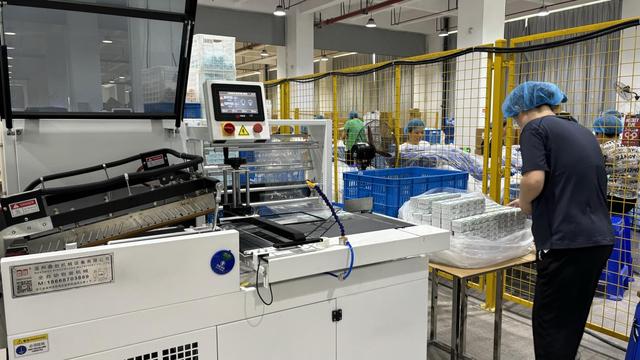
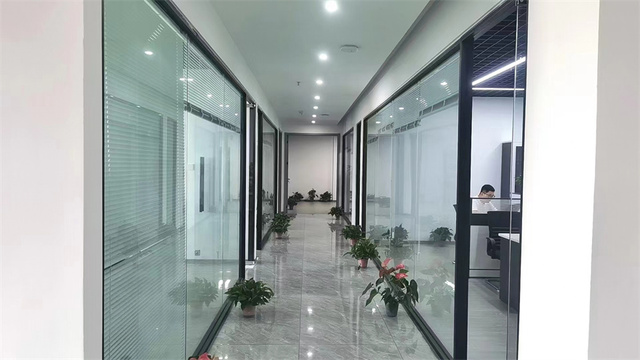
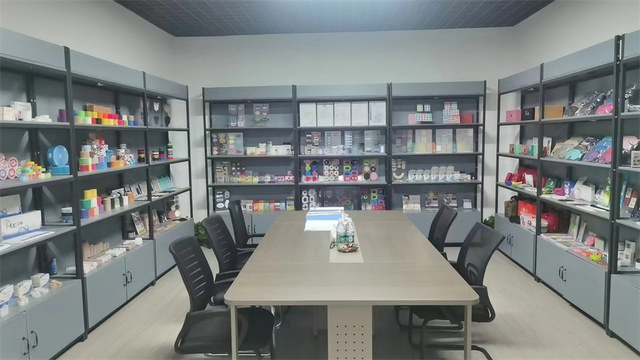

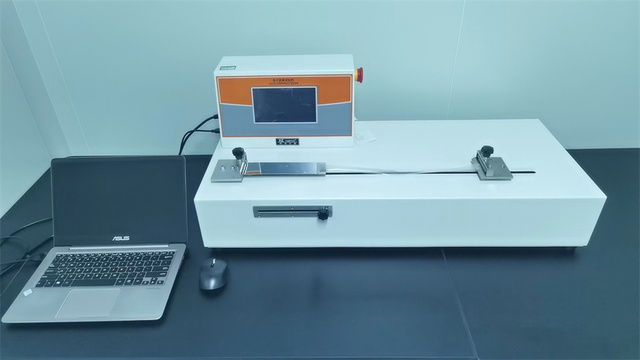

The next wave of foam underwrap evolution will be defined by material science, certification depth and supply chain transparency. The roadmap below outlines where the category is heading — and what Mulifanua buyers should prepare for.
Formalization of tensile, elongation, breathability and adhesion benchmarks within contracts. Exporters will differentiate on documented test data, not brochure language.
Broader shift to hypoallergenic, latex-free PU formulations with reduced plasticizer content — important for paediatric and sensitive-skin populations across Pacific markets.
Lot-level traceability via QR-linked batch records and certificates. Importers will be able to verify compliance before a shipment lands in Apia.
Recycled and bio-based foam substrates entering mainstream production, with performance parity to legacy PU. Early adoption will favor buyers with long-term supply contracts.
Exporters evolve from transactional suppliers to category managers — providing forecasting, private-label support and Pacific-specific inventory positioning.
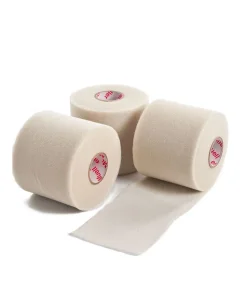
High humidity and salt air accelerate adhesive degradation and skin maceration. Suitable foam underwrap for Mulifanua should be porous (breathable), latex-free or low-allergen, and formulated to hold adhesion under elevated humidity. Porous PU foam underwrap — such as the Premium Porous PU Foam Underwrap — is a common specification for this reason.
At minimum, MDR CE and ISO 13485 for clinical specifications. For sports use, MDR CE and factory-level QC documentation are typically sufficient. Buyers should match certification requirement to intended use — clinical, sports or industrial — to avoid overpaying for unnecessary compliance or, conversely, facing port-level rejection.
Yes. Consolidated multi-SKU ocean shipments are strongly recommended for island markets. Morfit supports mixed cartons combining underwrap, sports tape and bandages within one shipment — reducing landed cost and simplifying port handling in Apia.
Lead time combines production (typically 15–30 days depending on SKU mix and customization) with ocean transit to Apia. Buyers planning around the rugby calendar should place seasonal pre-orders well ahead of peak taping periods.
Yes. OEM and private-label programs are available with customization on material, width, color and packaging. Artwork cycles and MOQ planning are aligned to seasonal demand so branded stock is available at the right time.
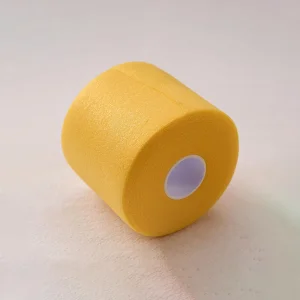
A broader selection covering medical, sports and specialty underwrap configurations. All SKUs are available for export to the Mulifanua market with applicable certification.
Share your target specifications, certification requirements and expected volumes. Our export team will return a consolidated proposal — including multi-SKU options, freight consolidation and OEM packaging where relevant.
Send Inquiry Now